

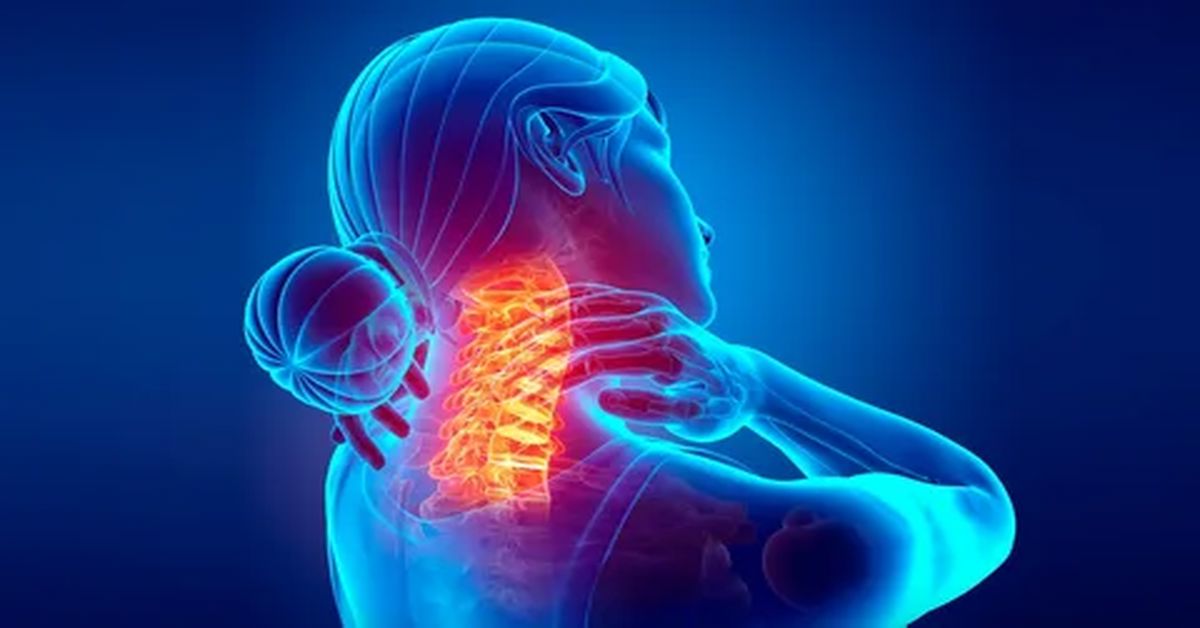
Neck pain can be caused by muscle tension, poor posture, pinched nerves, hernias or joint problems. Repetitive movements, stress and incorrect sleeping position strain the neck. The pain can radiate to the shoulders or arms. It limits daily life and restricts movement. This is why What is the treatment for neck pain? The question becomes important for many.
What is Neck Pain Treatment? Who is it Applied to?

Neck pain is a common problem in today's living conditions. Sitting at a desk for long periods of time, increased use of the phone or computer and stress trigger this pain. Muscles tense, movement is restricted and the pain sometimes radiates to the shoulders or arms. This makes daily life difficult. Therefore, the right approach is important.
Treatment is planned according to the cause of the pain. The aim is to reduce pain and provide support to the neck area. In this process neck pain treatment is applied individually. Hot and cold applications, stretching exercises and posture correction exercises are the first step. If necessary, the doctor will prescribe painkillers or muscle relaxants. Physical therapy methods strengthen the muscles and stabilize the spine. Manual therapy, massage and dry needling can also be used to reduce muscle tension.
The type of treatment depends on the severity and duration of the pain. Prolonged pain, morning stiffness or pain radiating to the shoulder are important signs. In these cases, specialist evaluation is required. If there are structural problems such as pinched nerves, hernias or arthritis, a more comprehensive approach is required. Lifestyle adjustments are also part of the process. Ergonomic working patterns and regular exercise support recovery.
Those who work at a desk for long periods of time, those who carry physical loads and those who work under stress are in the risk group. If pain interferes with daily activities, treatment should not be delayed. It is important that the right methods come together in this process. The goal is to reduce pain and restore movement. When all these steps are completed neck pain treatment, provides the person with a comfortable range of motion. Daily life becomes more comfortable and the risk of recurrence of pain is reduced.
In which cases is neck pain treatment used?
Neck pain is often caused by muscle tension, incorrect posture or staying in the same position for too long. In some people, the pain goes away quickly, while in others it lasts longer. Pain can make daily tasks difficult and limit movement. It is therefore important to monitor changes in the neck area. Early recognition of symptoms makes treatment more effective.
Assessment is done when the pain becomes significant. Morning stiffness, tension in the head and stiffness around the neck are the most common signs. These symptoms are common in people who work at a desk for long periods of time or use the wrong sleeping position. At this stage, the muscles need to be relaxed and the spine supported. When the process is prolonged neck pain treatment comes into play. This is because persistent pain can exacerbate muscle imbalance and poor posture. The aim of treatment is to relieve pain, restore movement and facilitate daily life.
Some conditions indicate that treatment should start without delay. Pain radiating down the arm, numbness or loss of strength in the hand may indicate nerve compression. Structural problems such as cervical hernia, joint degeneration or nerve compression can cause these symptoms. In this case, a detailed evaluation is performed with imaging methods. The specialist plans methods such as physical therapy, exercise and manual therapy according to the source of the problem. If necessary, medication is also administered. This reduces pain and prevents problems that may progress.
This treatment is especially important for people who work at a desk for long periods of time, lead a stressful life and suffer from poor posture. Repetitive movements in daily life can strain the neck area. Therefore, the treatment is not only used to relieve pain, but also as a preventive approach. Early intervention prevents more serious problems in the future.
What are the Neck Pain Treatment Methods?

Neck pain can be caused by muscle tension, incorrect posture, stress or staying in the same position for too long. The pain can sometimes radiate to the arms and shoulders. Movement is restricted and the person has difficulty in daily work. This is why the right treatment methods are important. The aim is to reduce pain and provide support to the neck area.
The first step is to identify the source of the pain. Muscular pain often responds well to rest, hot and cold applications and gentle stretching exercises. Posture correction exercises are effective in people with posture disorders. Ergonomic adjustments provide relief for those who work at a desk for a long time. In severe pain, medication can be applied under the supervision of a doctor. However, the most important stage is a well-planned physical therapy program. At this point neck pain treatment principles come into play.
There is a wide range of physical therapy methods. Manual therapy reduces muscle tension. Massage improves blood circulation and provides relaxation. Dry needling relieves spasms in deep muscle groups. Electrotherapy methods help muscles to relax. Stretching and strengthening exercises are an indispensable part of the treatment. When practiced regularly, the pain is greatly reduced. In addition, strengthening the muscles around the neck prevents future pain attacks.
Nerve blocks or physical therapy protocols are preferred for more severe pain. These methods can reduce pain quickly. However, they may not be suitable for every patient. Expert evaluation is therefore important. Lifestyle adjustments are also essential for treatment to be effective. Correct posture, regular exercise and ergonomic workspace protect neck health.
What is the Process After Neck Pain Treatment?
After treatment, the healing process continues step by step. The pain gradually decreases. Muscles relax and mobility improves. The aim during this period is to maintain the effect of the treatment. Regular exercise and correct posture habits are important for this. Strengthening the muscles provides long-term support to the neck area. Making small but effective changes in daily life accelerates the process.
The most important part of the post-treatment period is movement control. Avoiding sudden and stiff movements helps to protect the healing tissues. Ergonomics is a critical point for those working at a computer. The screen should be at eye level and shoulders should remain relaxed. Taking regular breaks reduces the load on the neck. The sleeping position also affects the process. A medium-firm pillow supports the neck curve. This improves sleep quality and reduces morning stiffness.
Some patients may take longer to recover. Muscle weakness, poor posture or working conditions affect this process. In such cases, follow-up sessions may be performed. Manual therapy, stretching exercises and posture training are used to maintain recovery. Stress management is also important to prevent the pain from returning. Light walking, breathing exercises and regular physical activity support the neck area. These steps increase the long-term success of the treatment.
At the end of the process, the person's quality of life improves significantly. Daily movements are more comfortable. The load on the neck is reduced and the muscles work more evenly. It is important to know the right information to maintain recovery. Therefore, the principles discussed in the last phase of treatment, What is neck pain treatment? is the practical answer to the question of how to treat pain. In this way, the person not only continues to recover but also prevents new pain attacks.