
Manual Therapy

Manual Therapy

Manual Therapy Manual Treatment Method

Musculoskeletal disorders are among the most common health problems of modern life. As a drug-free and non-surgical solution in cases such as herniated discs, neck herniated discs, joint pain and posture disorders manual therapy stands out. This method involves special techniques applied entirely manually by expert physiotherapists and aims to activate the body's self-healing mechanisms.

What is Manual Therapy and How is it Applied?

What is Manual Therapy

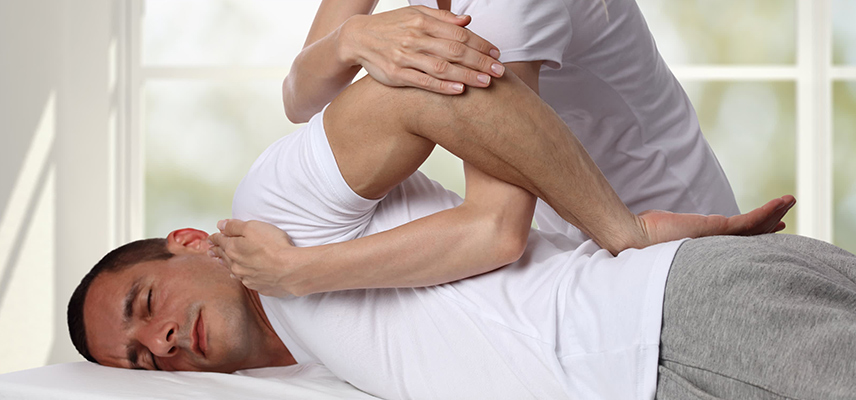
Manual therapy literally means “treatment by hand”. It is a physical therapy method applied directly to the body by hand without the use of any device or machine. The main aim of the treatment is to evaluate the joints, muscles and ligaments that cause movement limitation and to correct dysfunctions in these tissues.

The specialist physiotherapist makes a detailed assessment of the patient before starting treatment. In this assessment, the source of the problem (muscle spasm, joint blockage, nerve compression, etc.) is identified. A personalized treatment plan is then created.

Techniques Used in Manual Therapy

This therapy involves multiple specialized techniques. The success of the treatment depends on the right combination of these techniques:

In which diseases is it effective?

Advantages of Manual Therapy

Manual therapy has a high success rate, especially in spine-related problems. The main areas of use are as follows:

  • Lumbar and neck hernias

  • Spine and joint calcifications (osteoarthritis)

  • Frozen shoulder syndrome

  • Fibromyalgia and myofascial pain syndromes

  • Sacroiliac joint (hip) dysfunction

  • Scoliosis and posture disorders

The biggest advantage of the treatment is that it focuses directly on the source of the problem, often resulting in a significant reduction in pain from the first session. By addressing the body as a whole, this approach offers an effective path to lasting recovery and improved quality of life.

Frequently Asked Questions

This is perhaps the most curious issue. This sound heard during treatment can be caused by bones rubbing against each other or breaking. is not. This sound is known as "cavitation" and is caused by gas bubbles (mostly nitrogen) accumulated in the fluid (synovial fluid) inside the joint capsule being released by a sudden change in pressure.

This sound may be a result of the manipulation technique, but is not the primary goal of the treatment. When performed with the correct technique by a specialized physiotherapist not harmful and often creates an immediate feeling of relaxation.

Manual therapy is usually is not a painful procedure. Rather, the main goal of treatment is to reduce pain. A slight "sweet sting" or tenderness may be felt during some specific techniques (e.g. deep tissue mobilization or spasm release). After treatment, especially after the first sessions, it is normal to experience a mild "shooting pain" in the area, such as after exercise, and this is temporary.

This is the most critical question in terms of safety. Manual therapy is a specialized therapy in the anatomy and biomechanics of the musculoskeletal system. specialized physiotherapists with advanced training must be practiced by the trainer. It is important that they have completed special master's degree or certification programs in this field. "Stomping" or "tugging" by unqualified persons can cause serious injury.

While manual therapy can be safely applied to many people, in some cases (contraindications) it should be strictly avoided. The main conditions are:

  • Active infections

  • Regional tumors or cancer

  • New or unhealed fractures

  • Severe (advanced) bone loss (osteoporosis)

  • Spinal instability (slippage)

  • Some advanced rheumatic diseases (e.g. active phase of ankylosing spondylitis)

The two are often confused.

  • Massage It usually focuses only on the muscles and superficial connective tissues (soft tissue). Its aim is to relax the muscles and increase blood circulation.

  • Manual Therapy It is much more comprehensive. Not only soft tissue, but also joints, nerves and spine also assesses and treats. It includes specific joint techniques such as mobilization and manipulation.

The number of sessions depends entirely on the patient's condition, how old the problem is (chronicity) and the body's response to the treatment. One of the biggest advantages of manual therapy is that its effect is seen quickly. Most patients from the first 1-3 sessions begin to feel a marked improvement in their pain and mobility. A full course can usually range from 5 to 10 sessions.

This depends on the institution where the treatment is performed. It may be covered by SSI if it is part of a physiotherapy program prescribed by a doctor as part of public hospitals (especially GETAT or FTR departments). However, manual therapy sessions in private clinics and practices are usually subject to a special fee and may not be covered by most standard private health insurance.

maslak physical therapy logo

Maslak physical therapy and rehabilitation. With our expert staff, we are at your side for all pain treatments, especially low back, neck, knee and back pain.

Contact Information

Maslak Meydan Sk. Beybi Giz Plaza No:1 D:2 Sarıyer - Istanbul

Maslak Physical Therapy Official Website ©2025 Design By Maximum Agency