
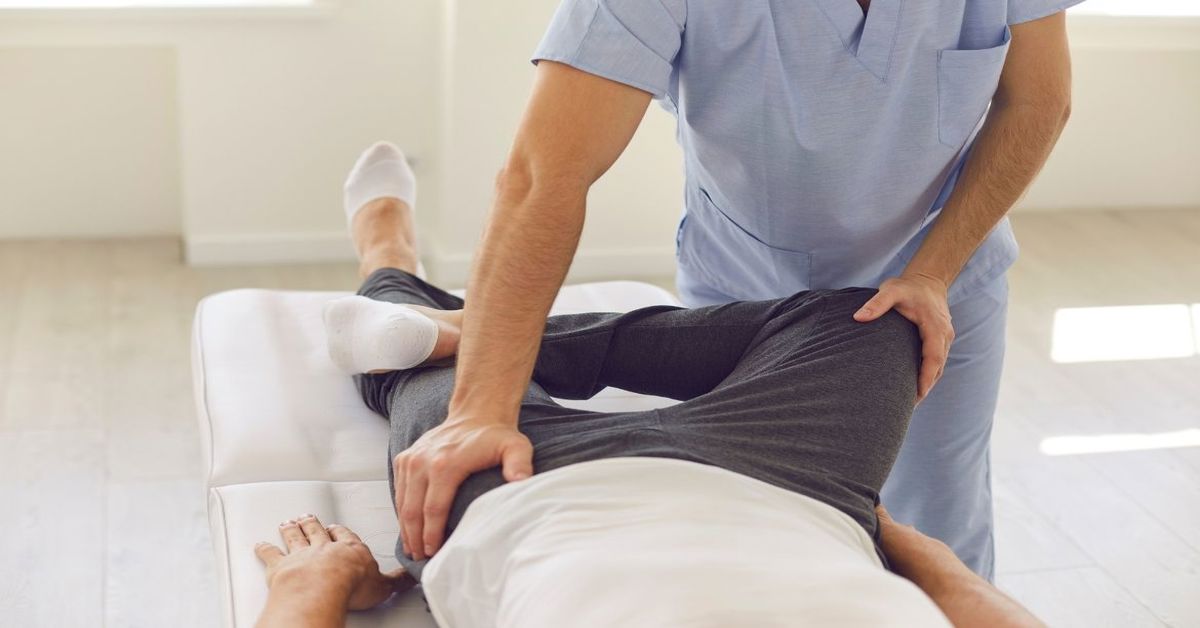
It is a physical therapy method that aims to treat muscles, joints and connective tissues with hands. It is applied to eliminate movement limitations, reduce pain and improve musculoskeletal system functions. It is effective in many areas such as waist, neck, shoulder and knee. How is manual therapy done?, It allows the muscles to relax with the techniques applied with the hands. It allows the joints to move comfortably.
How is Manual Therapy Performed? Who Is It Done To?

Muscle and joint problems can directly affect daily life. Back, neck, shoulder and knee pain limit mobility and reduce quality of life. Therefore, the musculoskeletal system should be supported with appropriate treatment methods. Physical therapists determine the source of the pain and prepare a personalized plan.
Implemented within this plan Manual Therapy, treats muscles, joints and connective tissues with the hands. This therapy reduces movement restrictions and helps to control pain. The joints are brought into the correct alignment and the muscles are relaxed through massage and manipulation techniques. During the treatment, the patient's movements are monitored and necessary adjustments are made. Thus, an effective and controlled treatment is provided.
It is not only suitable for people with pain, but for anyone who wants to improve muscle and joint function. Athletes, people who work at a desk for long periods of time or people who engage in physical activity use the therapy. The treatment is adapted to the person's age and current state of health. With regular application, mobility increases and daily activities are more comfortable.
This method improves quality of life in the long term. Manual Therapy, not only reduces existing pain, but also contributes to maintaining joint and muscle health. After the session, there is usually a feeling of relaxation and physical performance improves. When applied correctly, it offers an effective solution for the management of both chronic and temporary musculoskeletal problems.
In Which Situations Is Manual Therapy Used?
Muscle and joint health directly affects daily life. Back, neck, shoulder and knee pain can limit mobility. Therefore, the musculoskeletal system should be supported with the right treatment methods. Physical ailments require appropriate intervention before they reduce quality of life.
Physical therapists assess the patient's condition and prepare a plan tailored to their needs. The source of pain, movement limitations and living habits are taken into account. The plan covers both short and long-term goals. In this way, the patient both reduces pain and strengthens joint and muscle function.
In this process Manual Therapy, is an effective solution in many cases. Muscle spasms, stiff joints, posture disorders and movement limitations can be eliminated with this therapy. With massage and manipulation techniques, joints are aligned correctly and muscles are relaxed. It can also be applied in cases such as sports injuries and long-term desk work. This method also offers an effective solution for chronic pain. During the treatment, the patient's reactions are monitored and necessary adjustments are made.
After treatment, there is usually a feeling of relief. Mobility improves and daily activities are easier to perform. With regular practice, both acute and chronic pain can be managed. In addition, body awareness increases and muscle balance is achieved.
What are Manual Therapy Methods?

Muscle and joint health directly affects daily life and mobility. Pain in the lower back, neck, shoulders and knees can reduce quality of life. Therefore, appropriate treatment methods should be applied. Physiotherapists evaluate the person's problem and create a plan according to the needs.
Consisting of different techniques Manual Therapy, is one of the most effective methods in this process. Massage techniques relax muscles and improve blood circulation. Mobilization helps to increase the range of motion of the joints. Manipulation methods align the joints correctly. These techniques are aimed at relieving movement limitations and reducing pain. During treatment, the patient is carefully monitored and necessary adjustments are made.
The duration and frequency of application varies according to the patient's needs. Sessions usually last 20-45 minutes and are repeated several times a week. A slight feeling of fatigue or relaxation may occur during the first session. With regular sessions, the musculoskeletal system becomes more flexible and stronger. Patients are supported with simple exercises that can be practiced at home.
Therapy treatments can help with both acute and chronic problems. Sports injuries, desk-related pain or posture disorders can be controlled with this method.
What is the Process After Manual Therapy?
After the therapy is applied, the process focuses on maintaining range of motion and comfort. After the first session, there is a slight feeling of fatigue and relaxation. Muscles and joints become more flexible. During this period, the patient can perform daily activities. It is important to avoid heavy loads and sudden movements.
After the session, the physiotherapist will suggest simple exercises and postures to do at home. These movements strengthen the muscles and support the joints. Regular movement speeds up the healing process. Mild pain or tenderness is normal. The patient should be aware of this.
Regular follow-up sessions are essential for the permanence of the treatment. Each session reinforces the previous effects. This is how chronic or acute pain is kept under control. The patient's feedback guides the therapy plan.
When this whole process is evaluated, How is Manual Therapy Performed? The question covers not only the application techniques but also the aftercare and exercises. Through regular repetition and conscious use, muscle and joint health is maintained. Mobility increases. Pain decreases and quality of life improves. The treatment is long-lasting and effective.