

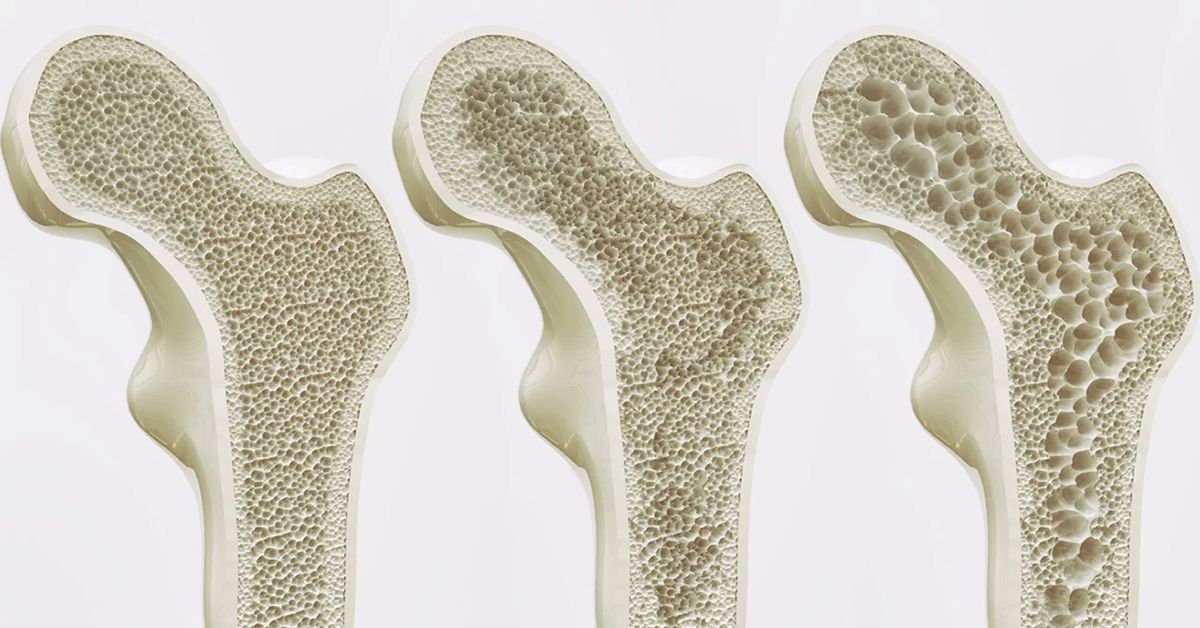
Bone loss is a progressive process that takes time. Early diagnosis is crucial in this process. Regular doctor check-ups should not be neglected. Medication helps reduce bone breakdown. At this point... osteoporosis treatment It is implemented in a planned manner. Calcium and vitamin D supplementation is important. Regular exercise strengthens bone structure. Healthy eating supports the process. Lifestyle changes provide long-term benefits.
Who is a suitable candidate for osteoporosis treatment?
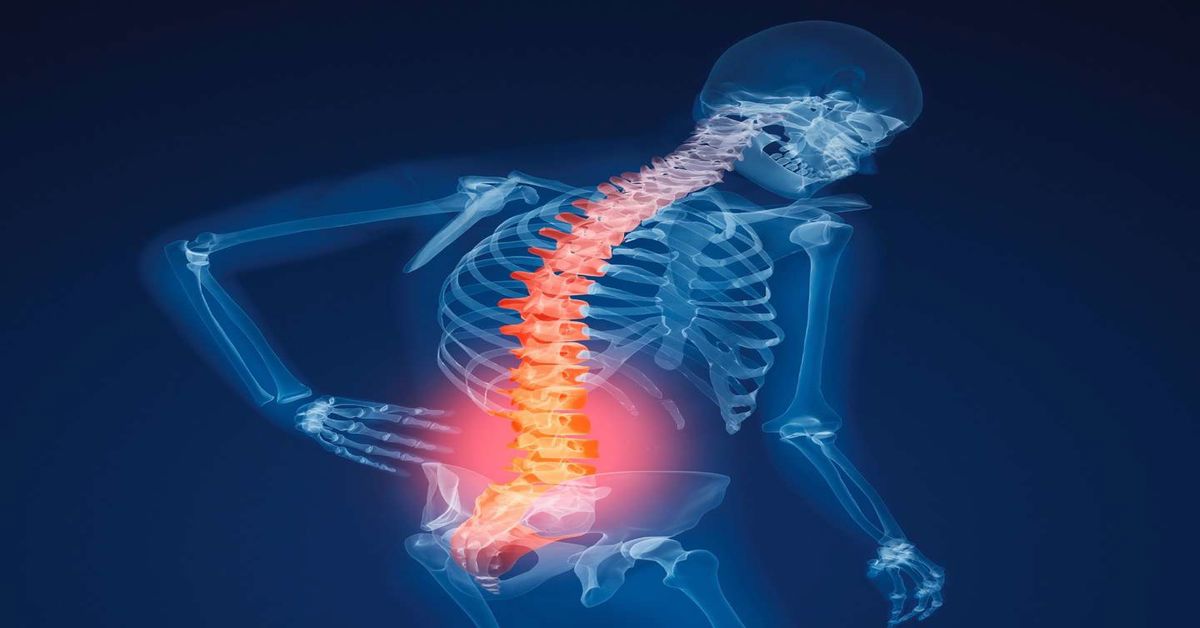
Bone health is a crucial factor that directly affects quality of life. When bone density decreases, the risk of fractures increases. This becomes particularly pronounced in older age. However, it doesn't progress at the same rate in every individual. Therefore, treatment decisions are planned individually, taking into account the patient's general condition, age, and risk factors.
At this point osteoporosis treatment, This is a suitable option for individuals with low bone density. Treatment is started earlier, especially in those at high risk of fractures. Postmenopausal women are in the risk group. Similar situations can be seen in older men. An appropriate treatment plan is created after a doctor's evaluation. The goal is to slow bone loss and reduce the risk of fractures.
Individuals who have previously experienced fractures may also be candidates for treatment. Fractures resulting from low trauma are a particularly important indicator. Those with a family history may be at higher risk. Long-term corticosteroid use also weakens bone structure; therefore, these individuals should be monitored regularly. Early intervention can prevent potential complications.
Treatment is applied to individuals who have significant bone weakness in the advanced stages. During this process... osteoporosis treatment Regular check-ups should be conducted to monitor the patient. The treatment plan is tailored to the patient's needs. Medication and lifestyle changes are evaluated together. Balanced nutrition and exercise support the process. In this way, bone health can be protected and quality of life can be improved.
In what situations is osteoporosis treatment used?
Bone health is fundamental to the body's mobility. When bone density decreases, the risk of fractures increases. This condition often progresses without symptoms. However, in some cases, early intervention may be necessary. Therefore, regular check-ups are of great importance. Individuals in the risk group should be especially vigilant.
Fractures resulting from low-level trauma are a significant warning sign. A bone fracture after a simple fall is a serious indicator of risk, suggesting a weakening of the bone structure. Shortening of height and postural abnormalities are also symptoms to watch out for. These changes become more pronounced over time. Early detection facilitates the treatment process.
At this point osteoporosis treatment, Bone loss surgery is performed when bone density falls below a certain level. This is especially common in older age. The risk increases in women after menopause. Bone loss can also develop in men due to age. An appropriate treatment plan is determined after a doctor's evaluation. The goal is to slow bone loss and reduce the risk of fractures.
Certain chronic diseases can also accelerate bone loss. Thyroid disorders and long-term medication use can affect this process. A sedentary lifestyle is also a significant risk factor. Therefore, lifestyle changes are considered part of the treatment. A balanced diet and regular exercise support bone health, making a healthier life possible.
What are the treatment methods for osteoporosis?
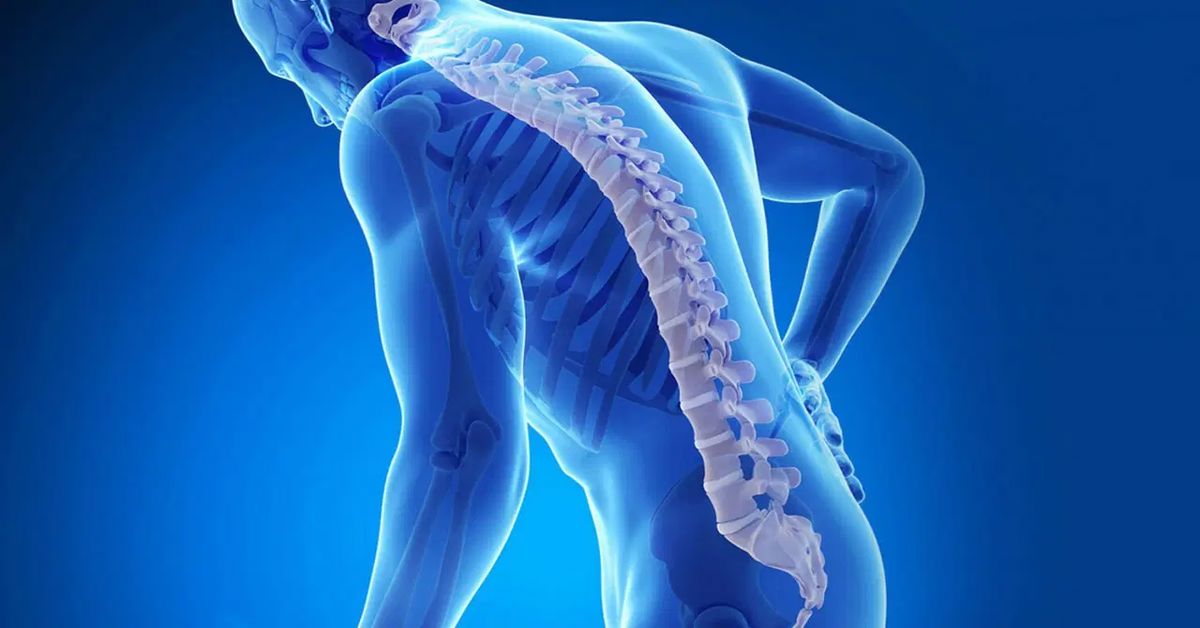
Bone health is a crucial factor that directly affects quality of life. When bone density decreases, the risk of fractures increases. This condition often progresses silently and may not show symptoms in the early stages. However, in later stages, it develops into a condition requiring intervention. Therefore, regular check-ups and early diagnosis are of great importance.
Planning is done using different methods in this process. Osteoporosis treatment Treatment is supported by medication. These medications reduce bone breakdown and promote bone formation. They must be used at the doses prescribed by the doctor. Regular follow-up is performed during the treatment process. In this way, the effectiveness of the treatment is evaluated.
Diet is an important part of treatment. Foods rich in calcium should be preferred. Milk and dairy products are important in this regard. Green leafy vegetables also provide support. Adequate protein intake also protects bone structure. Daily water consumption should not be neglected. A balanced diet supports bone health.
Physical activity contributes to strengthening bones. Regular exercise can increase bone density. Walking and light resistance exercises are especially recommended. Sunlight exposure supports vitamin D production, which has a positive effect on bone structure. Healthy lifestyle habits make the treatment process more effective.
What is the recovery process like after osteoporosis treatment?
Bone health requires attention even in the post-treatment period. The treatment administered can slow bone loss. However, the process does not end there. Bone density can change over time. Therefore, regular follow-up is important. Doctor check-ups should not be missed.
Lifestyle plays a significant role after treatment. A balanced diet should be maintained, and calcium-rich foods should be preferred. Vitamin D supplementation should not be neglected. Exposure to sunlight supports bone structure. Smoking and alcohol consumption should be limited, as these habits can negatively impact bone health.
Physical activity is an important part of the process. Regular exercise helps strengthen bones. Walking and light resistance exercises are recommended. As muscle strength increases, balance improves, reducing the risk of falls. Flexibility exercises are also beneficial. The exercise program should be planned to suit the individual.
Throughout this process osteoporosis treatment, Treatment should be supported by regular follow-up and proper habits. Careful attention is needed in the post-treatment period. Small oversights can lead to bigger problems later on. Therefore, adherence to recommendations is important. A healthy lifestyle protects bone structure, thus enabling a safer and more balanced life.