

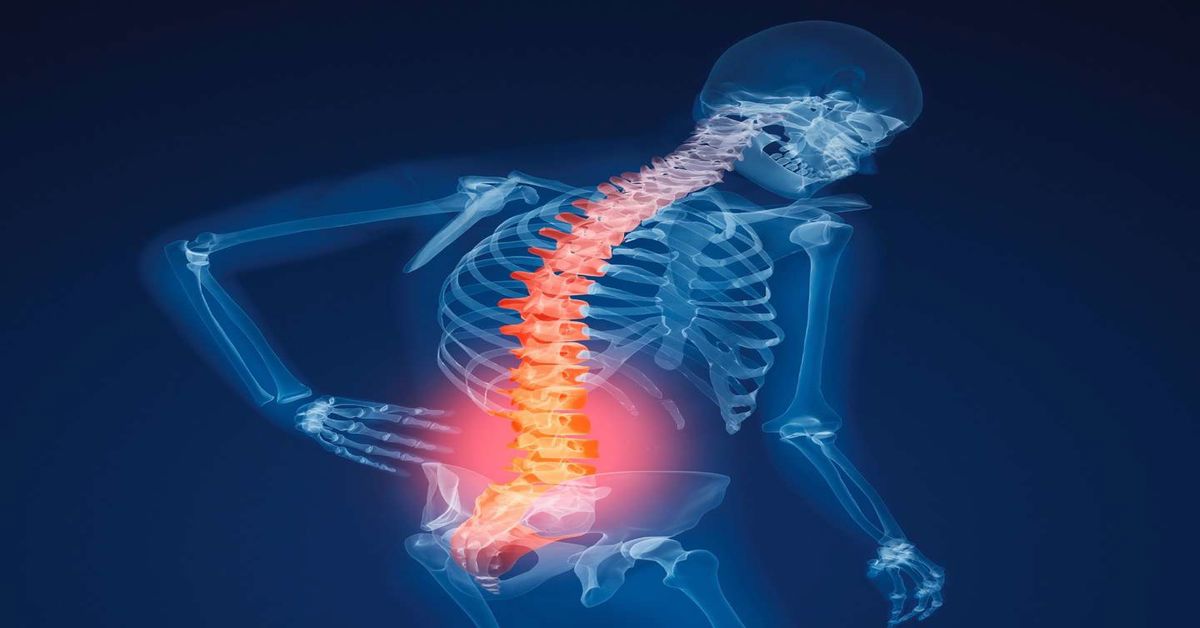
The erosion often progresses unnoticed for a long time. There may be no noticeable symptoms in the early stages. In the later stages... symptoms of osteoporosis It begins to manifest itself. Frequent fractures are one of the most important signs. Shortening of height is a noticeable change. Back and lower back pain can affect daily life. Curvature of the spine may develop. Postural problems become more pronounced over time.
What are the symptoms of osteoporosis?
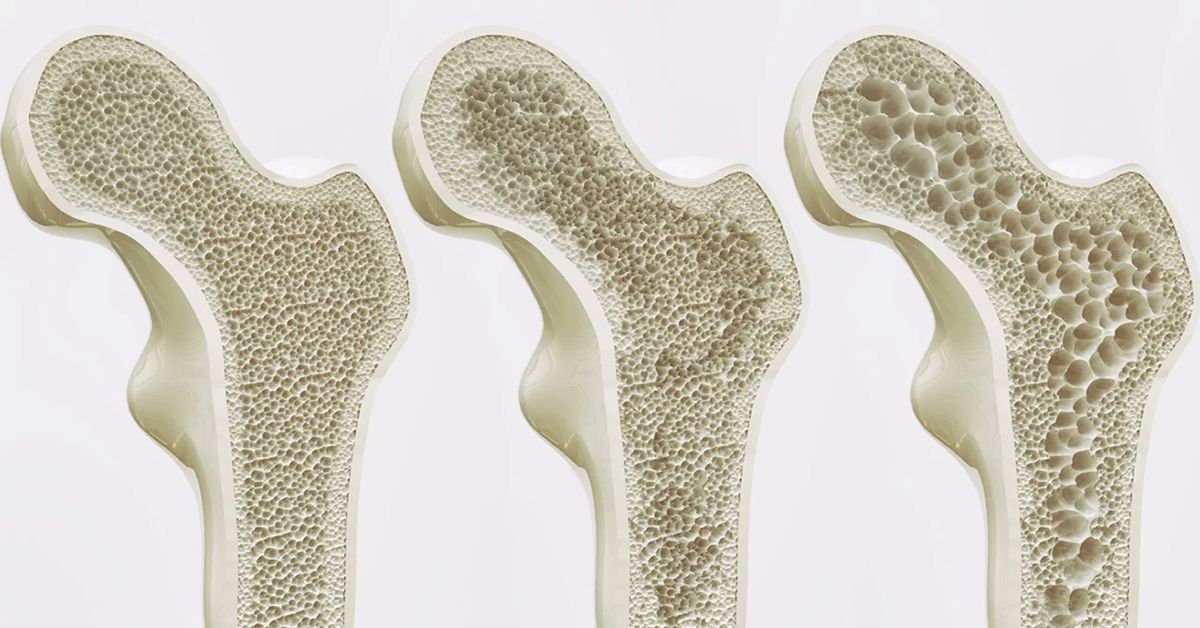
Bones are one of the most important supporting structures in the body. Bone density can decrease with age. This often progresses silently. In the early stages, there are no noticeable symptoms. However, as the process progresses, certain signals emerge. By the time a person notices these symptoms, the disease has usually reached an advanced stage. Therefore, recognizing early signs is crucial.
At this point osteoporosis, It usually manifests as fractures resulting from minor trauma. Even a simple fall can cause serious damage. The most common fractures occur in the hip, wrist, and spine. Back and lower back pain are also frequently experienced. The pain generally worsens with movement. This condition, which reduces the quality of daily life, becomes more pronounced over time.
Shortening of height is a significant sign. Weakening of the spinal bones causes a decrease in height over time. Postural problems are also common, manifesting as hunching. This change usually progresses slowly, so people often notice it late. A decrease in muscle strength may also occur.
In advanced stages, spinal curvature and permanent postural disorders may develop. This situation osteoporosis It is associated with reduced mobility. The person tires more easily. Loss of balance increases the risk of falls. This can lead to new fractures. Therefore, regular check-ups and early diagnosis are of great importance.
Who gets osteoporosis?
Bone health is an important issue that requires lifelong attention. Although it can occur in anyone, the risk is higher in certain groups. Bone density decreases with age. This is especially common in older age groups. Women are at higher risk than men. Changes in hormone levels after menopause accelerate bone loss.
Malnutrition is a significant factor. Calcium and vitamin D deficiencies weaken bone structure. The risk increases in people who do not get enough sunlight. A sedentary lifestyle also leads to weakened bones. Smoking and alcohol consumption negatively affect bone health. Long-term use of certain medications can also reduce bone density.
At this point osteoporosis, It is more common, especially in individuals at risk. Those with a family history of similar problems have a higher predisposition. Individuals with a weak physique may have lower bone mass. Thyroid diseases and certain chronic illnesses can also accelerate the process. Furthermore, long-term cortisone use can negatively affect bone structure.
Low physical activity prevents bones from being adequately stimulated. This reduces bone strength over time. The risk is higher, especially for individuals who work at desks. Lack of regular exercise accelerates bone loss. Therefore, an active lifestyle is of great importance. The risk can be reduced with a balanced diet and regular check-ups.
What are the treatment methods for osteoporosis?
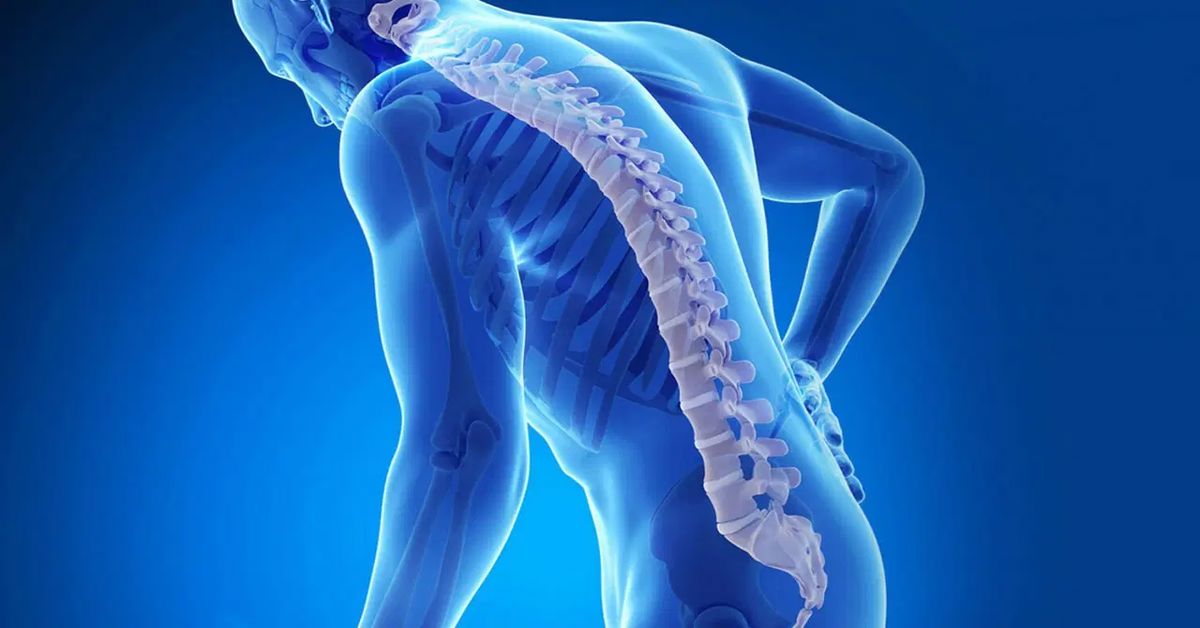
The goal of bone resorption treatment is to slow bone loss and reduce the risk of fractures. Treatment The treatment plan is determined according to the patient's age, general health status, and bone density. Early diagnosis makes the treatment process more effective. Therefore, regular check-ups are of great importance. With appropriate treatment, bone health can be preserved and quality of life can be improved.
The process can be brought under control with medication. At this point... osteoporosis, Treatment is managed according to methods prescribed by a doctor. The prescribed medications reduce bone breakdown and support bone formation. Calcium and vitamin D supplements are frequently used. These supplements help strengthen bones. Regular use of medications is important during the treatment process.
Diet is an important part of the treatment. Foods rich in calcium should be preferred. Milk and dairy products are important in this regard. Green leafy vegetables also provide support. Adequate protein intake also protects bone structure. Daily water consumption should not be neglected. A balanced diet supports the process.
Physical activity strengthens bone health. Regular exercise can increase bone density. Walking and light resistance exercises are especially recommended. Sunlight exposure supports vitamin D production, which also contributes to bone health. Healthy lifestyle habits positively influence the treatment process.
What is the recovery process like after osteoporosis treatment?
The process after bone resorption treatment must be carefully monitored. Bone density does not immediately return to its previous level after treatment is completed. Therefore, patience is required. Doctor check-ups should not be missed. Bone density is monitored with regular measurements. This monitoring process allows for the early detection of potential risks. Thus, necessary precautions can be taken in time.
Lifestyle is of great importance in the post-treatment period. A balanced diet should be maintained. Foods rich in calcium should be consumed. Vitamin D supplementation should not be neglected. Sufficient exposure to sunlight contributes to bone health. Smoking and alcohol consumption should be limited, as these habits can negatively affect bone structure.
Physical activity is an important part of the process. Regular exercise helps strengthen bones. Walking and light resistance training are especially recommended. Increased muscle strength supports balance, which reduces the risk of falls. Flexibility exercises are also beneficial. The exercise program should be planned according to the individual.
Throughout this process osteoporosis, This condition can be kept under control with regular follow-up and proper lifestyle habits. Careful attention is necessary during the post-treatment period. Small oversights can lead to bigger problems later on. Therefore, adherence to recommendations is important. A healthy lifestyle supports bone structure, thus enabling a stronger and more balanced life.