

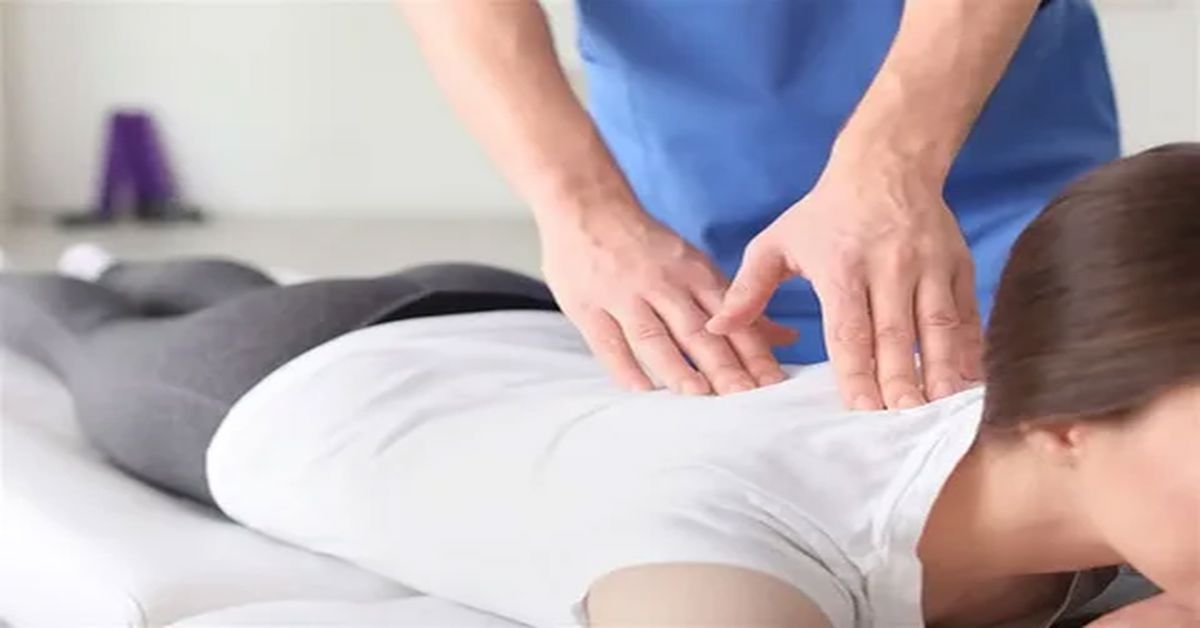
This method is frequently preferred for muscle, joint and spinal problems. The application is based on special techniques done entirely by hand. When evaluated manual therapy prices may vary. For this reason, not only the session fee, but also the content and benefit of the application should be taken into consideration.
What are the Prices for Manual Therapy?

Muscle, joint and spine problems can make everyday life difficult. Limitation of movement and pain reduce quality of life. The methods applied in such cases are planned individually. For this reason, prices do not depend on a single measure. Each individual's needs are different.
The main determinant of prices manual therapy is the content of the application. The duration of the session and the body area addressed are important at this point. For some people, short and limited treatments may be sufficient. In some cases, a more comprehensive planning is required. These differences are directly reflected in the fees.
The experience of the specialist is also effective in price evaluation. Experienced physiotherapists make more detailed evaluations. The environment and clinic conditions where the application is performed should also be taken into consideration. City and center differences may also affect costs.
As the number of sessions increases manual therapy The total budget planned for the treatment varies. There is a difference between single sessions and regular treatments. Regularly scheduled sessions usually offer more permanent results. For this reason, it may not be sufficient to evaluate only one session.
As a result, prices are shaped according to individual needs. The best approach is to plan after a preliminary assessment. Content, duration and expertise should be considered together. In this way, an informed and effective decision is made.
Who is Manual Therapy Suitable for?
Muscle and joint problems can make daily life difficult. Limitation of movement, pain and stiffness reduce the quality of life over time. It is of great importance that the methods applied in such complaints are suitable for the person. Each individual's physical condition and needs are different. Therefore, an accurate assessment should be made before the application.
People with neck, lower back and back pain are often evaluated for these applications. Desk workers, those who stay in the same position for a long time and individuals with posture disorders are included in this group. At the same time, muscle tensions and movement limitations in people who do sports can also be considered in this context. The aim is to increase mobility.
At this point manual therapy, can be planned for people who are deemed appropriate. Individuals with mobility limitations and muscle imbalance can benefit from this application. It also offers a supportive approach in some orthopedic problems. However, it is not suitable for every pain condition. Therefore, personal assessment must be made.
Some patients recovering from surgery may also be included in the evaluation. Physician and physiotherapist cooperation is important in this process. It can also offer a supportive approach for individuals with stress-induced muscle tension. The aim of the application is to support the body's natural movement patterns.
As a result, this procedure is not the same for everyone. The person's age, health status and current complaints should be taken into consideration. Applications planned with expert evaluation are safer and more effective. When applied to the right people, it can provide relief and freedom of movement in daily life.
In Which Situations Is Manual Therapy Used?

Muscle, joint and spine problems make everyday life difficult. Restriction of movement can cause pain. Over time, this reduces the quality of life. The right approach is of great importance in such complaints. The timing of the application and its suitability for the individual are decisive. The aim is to support movement again.
At this point manual therapy, It may be preferred in some cases of muscle and joint origin. Neck, lower back and back pain are the most important of these areas. Posture disorders are also included in the evaluation. Planning can be made for people with muscle tension and joint stiffness. The application is shaped according to personal needs.
Strains that are common in individuals who do sports are among the situations where these methods are used. Muscle stiffness may occur after intense exercise. Range of motion may decrease. In such cases, controlled approaches can provide support. The aim is to facilitate the body's recovery process.
Neck and shoulder tension is common in desk workers. Staying in the same position for a long time increases this condition. Movement is reduced in daily life. This can disrupt muscle balance. Supportive applications may come to the agenda at this point.
As a result, not all pain conditions are treated in the same way. Each individual's needs are different. Therefore, the assessment process is important. The health status of the person should be taken into account. Proper planning by the specialist ensures that the process proceeds safely. When applied in appropriate people, it can support freedom of movement.
What is the Process After Manual Therapy?
After the application of manual therapy, the process usually proceeds in a controlled and individualized manner. Many people experience a mild feeling of relief after the application. In some cases, short-term sensitivity or fatigue may be observed. These reactions are generally considered normal and subside in a short time.
It is important to rest the body in the first days. It is recommended to avoid overly strenuous movements. If there are exercises prescribed by the specialist, they should be practiced regularly. These exercises help to preserve the gains made. Avoiding sudden and hard movements in daily life supports the process.
If the sessions are planned as a cure, they should be continued at regular intervals. The time between applications is determined according to the needs of the person. Not interrupting the process positively affects the healing process. Therefore, it is important to stick to the appointment schedule.
Some people notice that they move more easily after the application. Tension in the muscles may decrease. There may be an increase in range of motion. However, these effects vary from person to person. Each individual's body response is different. Therefore, the process should be evaluated individually.
Points to be considered after the application increase the efficiency of the process. At this point manual therapy prices, should not be considered only as a session fee. The post-application follow-up process, exercises and benefits should also be evaluated together. Thus, an informed and sustainable decision is made.