

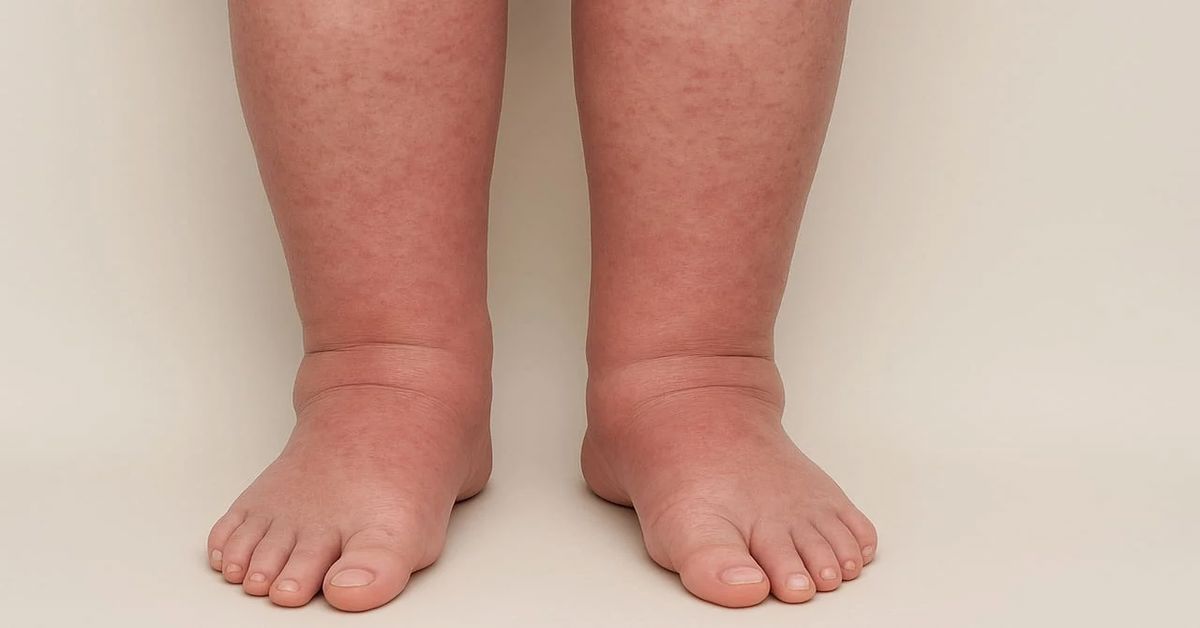
Lymphedema is caused by the accumulation of lymphatic fluid. This leads to swelling and a feeling of tightness. What is the treatment for lymphedema? The answer to this question varies depending on the course of the treatment. Manual lymphatic drainage may be applied in treatment. Compression bandages and special stockings may be used. Exercises support lymphatic flow. Early intervention facilitates the treatment process.
What is Lymphedema Treatment? Who is it Suitable For?
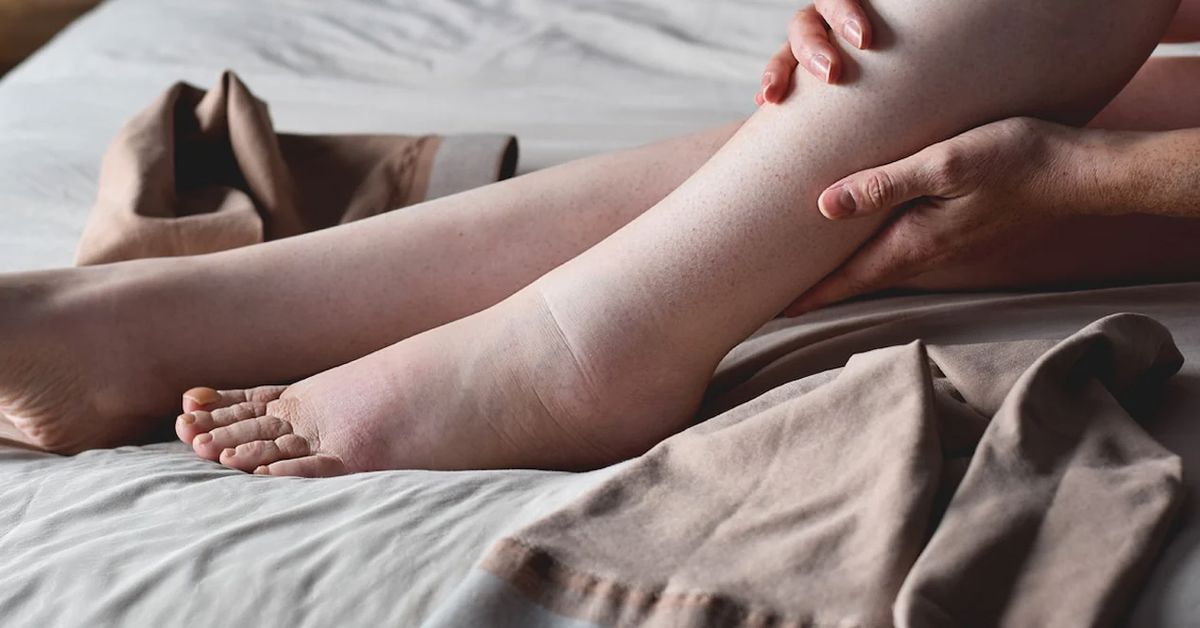
Lymphedema is a condition caused by the accumulation of lymphatic fluid in the tissues. It usually occurs in the arms or legs. swelling It manifests itself as a result of the lymphatic system not functioning adequately. It can develop after surgery, infection, or trauma. Early detection facilitates the treatment process. Conditions that are neglected for a long time are more difficult to control. Therefore, it is important to pay attention to the symptoms.
In certain situations lymphedema treatment It is a suitable option for many people. It is especially preferred for swelling that develops after surgical intervention. It is also frequently seen in patients undergoing cancer treatment. Removal of lymph nodes can trigger this condition. It can also be effective for people experiencing chronic swelling. Proper planning should be done under expert supervision. This ensures a healthier process.
Different methods can be applied together during the treatment process. Manual lymphatic drainage is one of the most frequently used techniques. This method supports the movement of lymphatic fluid. Compression bandages and special stockings also contribute to the process. Exercise programs increase lymphatic flow. Skin care reduces the risk of infection. All these practices should be performed regularly.
Generally lymphedema treatment Regular follow-up leads to more effective results. The treatment process should be planned individually. Early intervention makes it easier to control swelling. It is important for patients to adhere to the recommendations. Lifestyle adjustments also contribute to the process. This approach helps achieve more successful results in the long term.
In what situations is lymphedema treatment used?
Lymphedema occurs when lymphatic fluid accumulates in the tissues. It usually manifests as swelling in the arms and legs. This condition develops due to insufficient lymphatic system function. It can occur after surgery or as a result of trauma. Early detection facilitates the treatment process. Therefore, careful monitoring of symptoms is important. Delayed treatment is more difficult to manage.
In some cases, swelling can become permanent. The risk increases, especially after surgeries where lymph nodes are removed. This is more common in patients undergoing cancer treatment. Radiotherapy can also negatively affect lymph flow. Infections can also damage the lymphatic system, leading to increased swelling. Therefore, at-risk groups should be regularly monitored.
In certain situations lymphedema treatment Treatment becomes necessary. It is especially preferred in patients with persistent swelling. Treatment becomes important if there is pain and limited mobility. Skin tightness and sensitivity may occur. This negatively affects daily life. Appropriate methods are determined under expert supervision. Thus, the risk of complications is reduced.
The treatment process should be planned individually. Early intervention leads to more successful results. Regular follow-up helps keep swelling under control. It is crucial for patients to adhere to the recommendations. Exercise and care practices support the process. Lifestyle changes also contribute to treatment. This approach offers better results in the long term.
What are the treatment methods for lymphedema?
Lymphedema occurs when lymphatic fluid accumulates in the tissues. This condition usually manifests as swelling in the arms and legs. Insufficient lymphatic system function leads to this process. It can develop after surgery, trauma, or infection. Early detection facilitates treatment. Therefore, symptoms should be carefully monitored. Timely intervention allows for control.
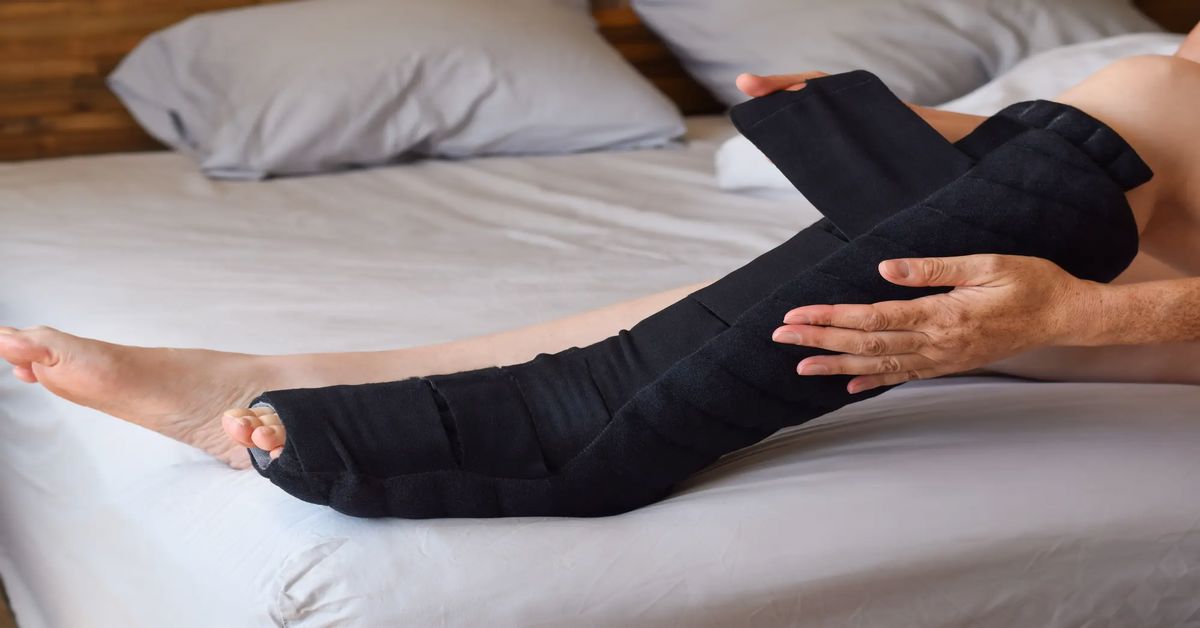
In the treatment plan lymphedema treatment Various methods are applied in combination. Manual lymphatic drainage is one of the most frequently preferred methods. This method supports the movement of lymphatic fluid. Compression bandages and special compression stockings are used. These applications help reduce swelling. The treatment process should be planned under the supervision of a specialist. A personalized approach yields more effective results.
Exercise plays an important role in the treatment process. Gentle and regular movements increase lymphatic flow. Muscle activity supports fluid circulation. Skin care should also not be neglected. Keeping the skin clean and moisturized reduces the risk of infection. These steps support the treatment process. Better results are obtained with regular application.
Patience and consistency are crucial in the treatment process. Symptoms may not disappear completely in a short time. However, swelling can be controlled with the right methods. Patients need to adhere to the recommendations. Regular follow-up ensures a healthier process. Lifestyle adjustments also contribute to treatment. This approach yields more successful results in the long term.
What is the recovery process like after lymphedema treatment?
The post-treatment recovery process varies from person to person. A significant reduction in swelling may be observed after treatment, but it may not completely disappear. Therefore, careful monitoring of the process is necessary. It is important for patients to adjust their daily routines. Regular care and check-ups ensure the continuation of the process. This approach yields better results in the long term.
During the healing process, some symptoms will gradually lessen. Mild swelling may persist; this is generally considered normal. However, if it increases, a reassessment should be made. The use of compression products should be continued. Exercises should be performed regularly. These steps support lymphatic circulation.
Skin health should be carefully maintained during the post-treatment care process. Wounds on the skin increase the risk of infection. Therefore, hygiene is important. Using moisturizers protects the skin. Excessively hot environments should be avoided. Remaining immobile for long periods is not recommended. These precautions ensure a healthier recovery process.
Generally lymphedema treatment The post-operative period is kept under control with regular follow-up. It is crucial for patients to adhere to the recommendations. While the swelling may not completely disappear, it becomes manageable. Lifestyle changes support the process. Early intervention is necessary in recurring cases. This leads to more successful long-term results.