
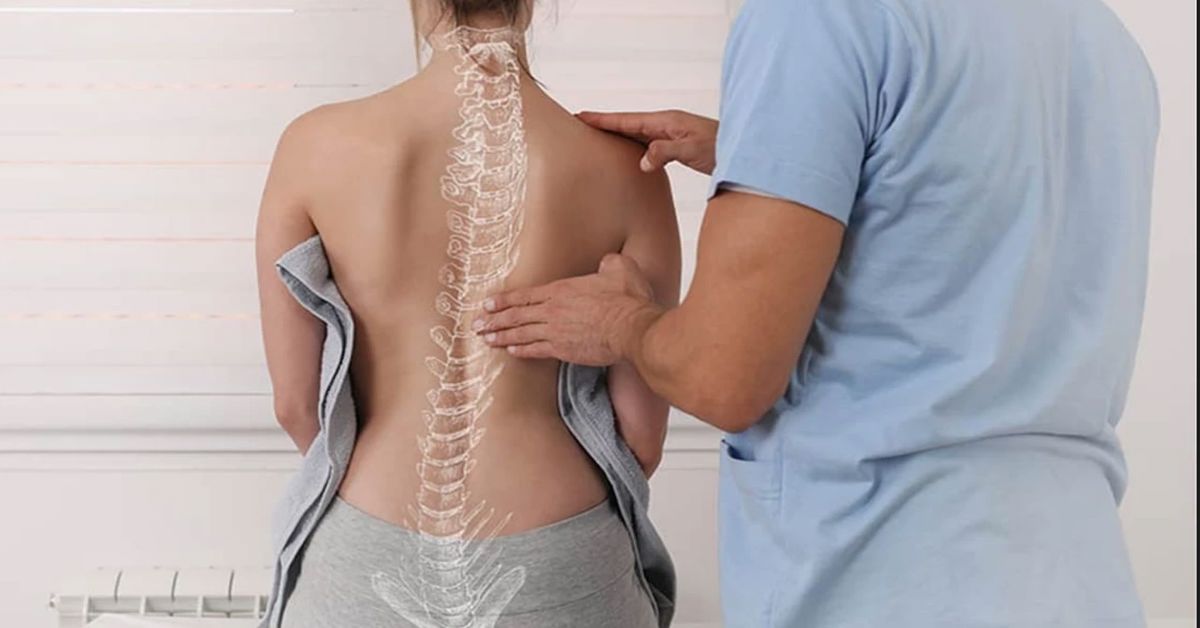
It is a condition caused by curvature of the spine. Scoliosis symptoms It can be noticed in the early stages. Uneven shoulder levels may be noticeable. Asymmetry may be seen at the waist and hip level. A bulge in the back may occur when bending forward. Long-term postural problems may be felt. With early diagnosis, progression can be controlled.
What are the symptoms of scoliosis?
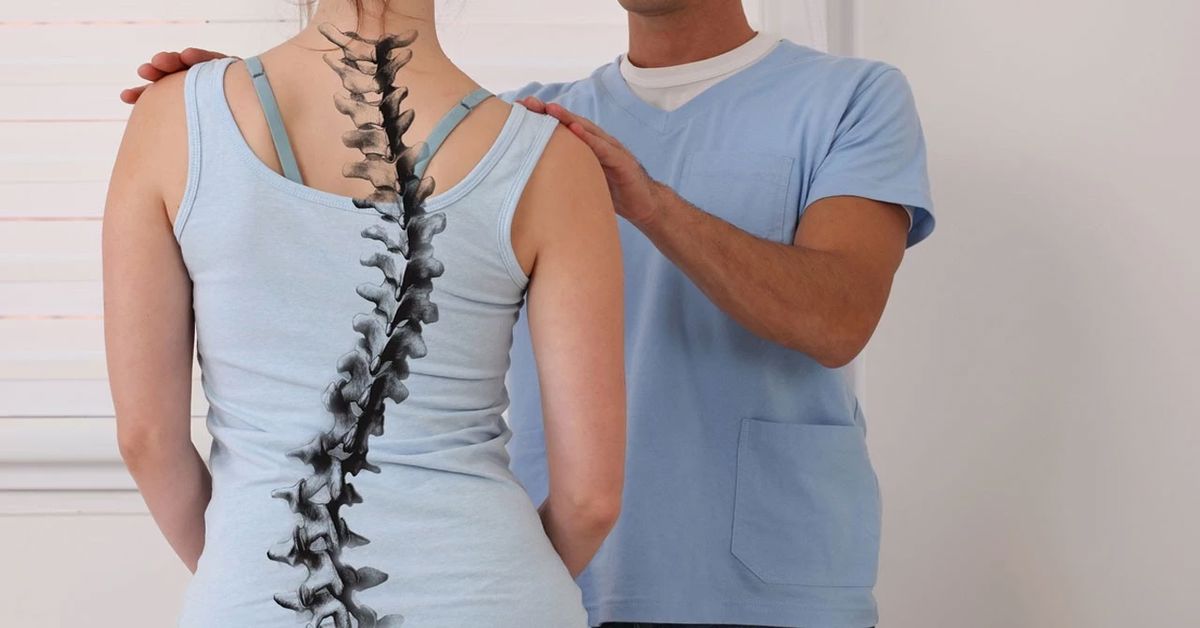
This is a condition characterized by a sideways curvature of the spine. It is usually noticed during childhood and adolescence. It may not show symptoms in the early stages, therefore regular observation is important. Changes in the spinal structure may become more pronounced over time. This condition can affect both physical appearance and posture. Therefore, early detection is crucial for the treatment process. With early diagnosis, progression can be controlled.
In the initial stages scoliosis The symptoms may be mild. Shoulder level may be uneven; one shoulder may be higher than the other. An imbalance in hip level may be noticeable. Asymmetry may occur in the waist area. A bulge on one side of the back may be visible, especially when bending forward. These symptoms may become more pronounced over time. Regular check-ups can ensure early detection.
In more advanced stages, postural problems become more pronounced. It may be noticeable that clothes fit differently on the body. Back pain may occur after prolonged standing. Muscle fatigue and tenderness may be experienced. This can affect the quality of daily life. Symptoms can progress more rapidly, especially during periods of rapid growth. Therefore, regular follow-up is important. Early intervention facilitates the process.
In advanced stages, it can even affect respiratory capacity. It can lead to serious changes in the spinal structure. scoliosis, As spinal curvature increases, the structure of the rib cage can change. This can make breathing difficult. It can also lead to limited mobility. Difficulty performing daily activities may be experienced. Early diagnosis can prevent these risks. Therefore, expert help should be sought without delay when symptoms are noticed.
Who gets scoliosis?
This is a condition caused by a sideways curvature of the spine and can occur in different age groups. It most commonly appears during childhood and adolescence. Spinal development can be particularly affected during periods of rapid growth. Therefore, regular check-ups are important for school-aged children. Early detection makes it easier to control the progression of the condition. Family awareness positively impacts the process. Regular follow-up is crucial.
This condition is more common in girls. Cases that appear during adolescence are particularly noteworthy. Genetic predisposition is an important factor; the risk may increase if there is a similar condition in the family. Postural problems can also affect the process. Prolonged incorrect sitting habits can negatively affect the spinal structure. Therefore, correct posture habits should be instilled at an early age. Healthy lifestyle habits support the process.
In some cases scoliosis It can develop due to congenital structural problems. Developmental differences in the spine can lead to this condition. Musculoskeletal and nervous system diseases can also be a contributing factor. In such cases, more careful monitoring is necessary. Regular evaluations should be performed under expert supervision. This can reduce the risk of progression. Early intervention has a positive impact on the process.
In adults, it usually appears with advancing age. Degeneration in the spinal structure can trigger this condition. Decreased bone density can also be a contributing factor. Regular exercise and healthy lifestyle habits are important in this process. Early diagnosis makes the treatment process more effective. Therefore, symptoms should be carefully monitored in every age group. Regular check-ups are important.
What are the treatment methods for scoliosis?
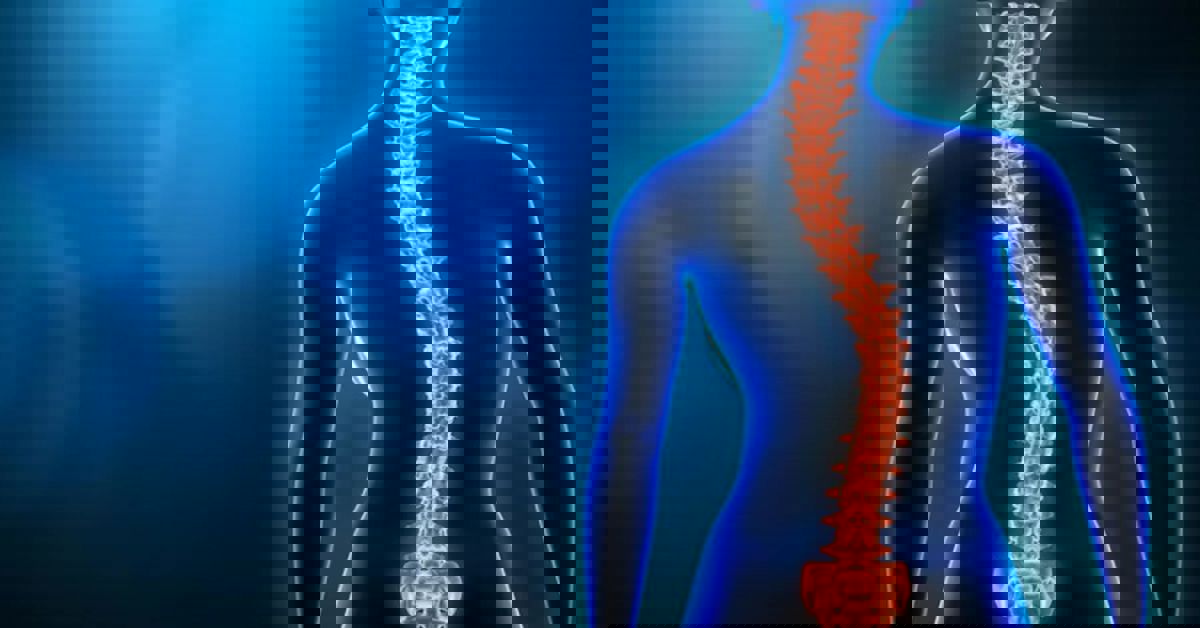
Treatment is planned according to the degree of spinal curvature and the patient's age. A different approach may be needed for each individual. In mild cases, regular follow-up may be sufficient. During this process, it is checked whether the spine is progressing. Early diagnosis facilitates the treatment process. Therefore, regular check-ups are important. With proper planning, the risk of progression can be reduced. Patience is important in the treatment process.
In mild and moderate curvatures scoliosis Treatment is generally carried out using non-surgical methods. Physical therapy programs aim to strengthen the spinal muscles. Specific exercises help correct posture. Braces can slow the progression of the curvature. These methods are particularly effective during the growth period. The treatment process is supported by regular follow-up. Expert supervision increases the success of the process.
In cases of severe curvature, surgical methods may be considered. An operation may be planned to prevent further curvature of the spine. The patient's overall health is taken into account during this process. The post-surgical recovery process must be carefully monitored. A process supported by physical therapy yields more successful results, thereby improving the quality of daily life. A proper rehabilitation process is crucial.
Lifestyle is also important in the treatment process. Regular exercise supports spinal health. Correct posture habits should be adopted. Staying in the same position for long periods should be avoided. A balanced diet positively affects bone health. All these factors increase the success of the treatment process. Therefore, a holistic approach should be adopted.
What is the recovery process like after scoliosis treatment?
The recovery process after scoliosis treatment should be carefully monitored. The process may vary depending on the treatment method used. Regular check-ups are important after surgical or non-surgical treatments. The patient's return to daily life should be planned gradually. During this process, pain control and mobility are closely monitored. Early attention accelerates recovery. Adherence to expert recommendations increases the success of the process. Regular follow-up is crucial.
Physical therapy is crucial in the post-treatment period. The goal is to strengthen muscles and increase flexibility. Regular exercise programs support the spine. Learning correct movements is important during this process. Sudden and strenuous activities should be avoided. Correct posture habits should be adopted in daily life. This approach positively influences the healing process. Patience supports the process.
Nutrition and lifestyle also play an important role in the healing process. Foods that support bone health should be preferred. Adequate calcium and vitamin intake should be ensured. Attention should be paid to sleep patterns. Rest accelerates healing. Stress management is also important. Both physical and psychological support should be provided during this process. Healthy habits provide benefits in the long term.
The recovery process scoliosis symptoms Post-operative medical check-ups should not be neglected. Follow-up is important for protecting the spinal structure. Early intervention is necessary to prevent possible recurrences. The patient's general condition is continuously evaluated. A disciplined approach should be adopted throughout this process. In this way, a healthier spinal structure can be preserved in the long term.