

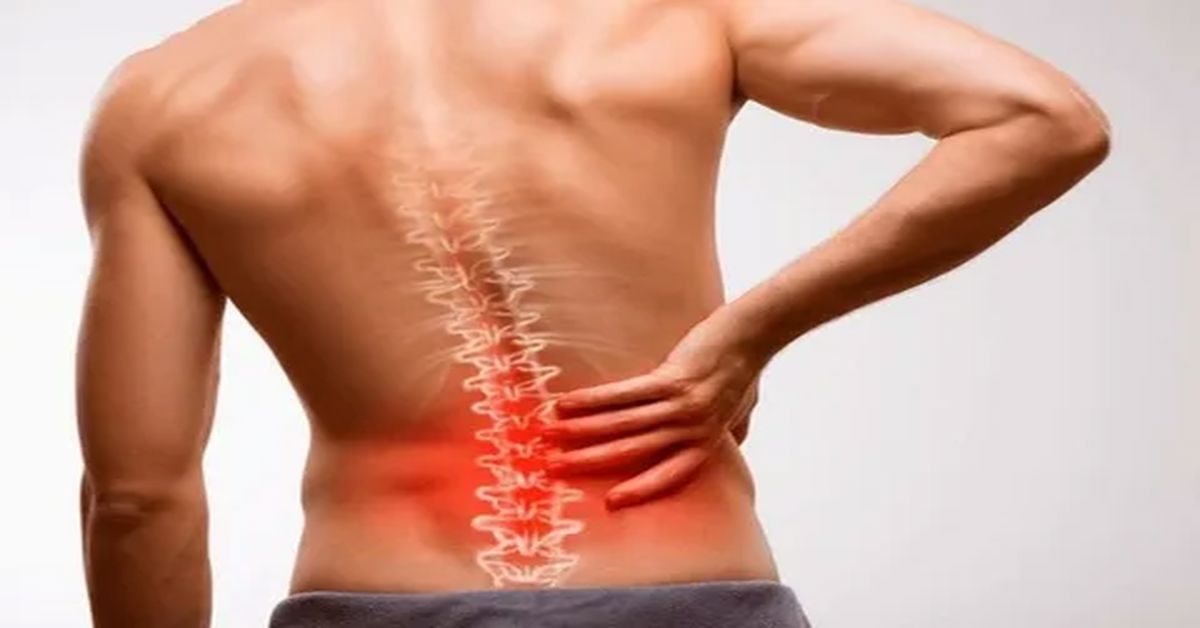
Mild pain that starts in the lower back sometimes spreads to the hips and legs. The pain worsens when sitting or bending over. Muscle weakness and numbness may occur. These types of symptoms are experienced by most people. symptoms of herniated disc It is among the conditions that cause pain. Daily activities become difficult, and even simple tasks are performed with pain.
What are the symptoms of a herniated disc?
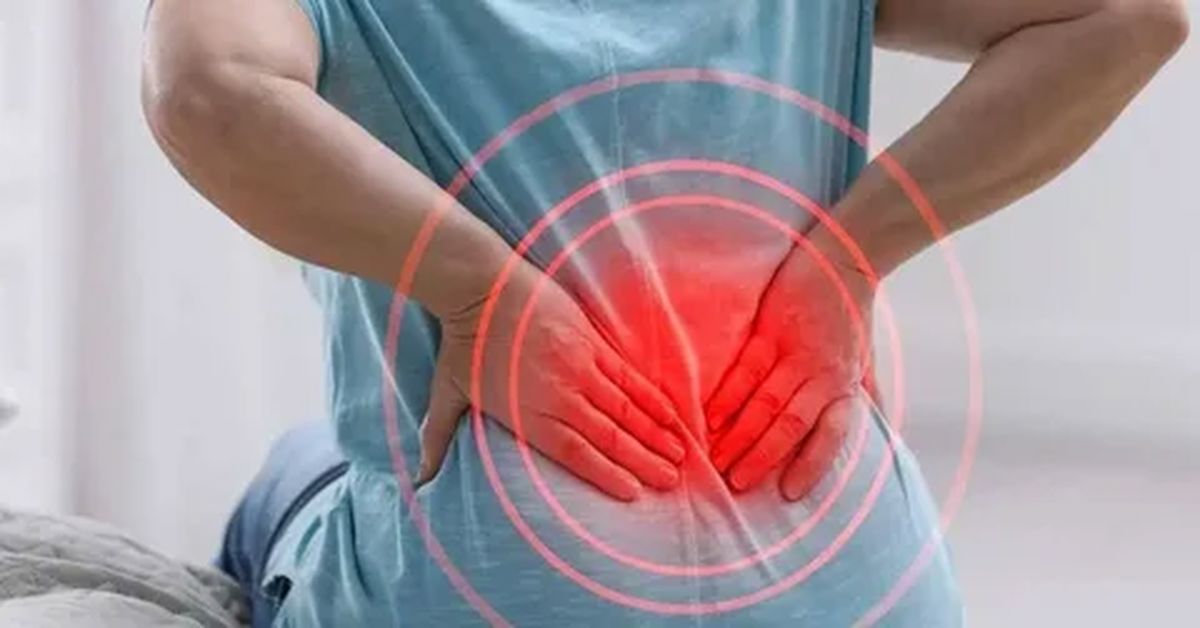
The lower back carries the body's weight throughout the day and can frequently be strained. Sitting in the same position for long periods, carrying heavy loads, or sudden movements tire the back muscles. Initially, it manifests as a mild discomfort. This discomfort is often ignored, but in later stages, it can seriously affect the quality of life.
Stiffness, lower back pain, pain radiating to the hips and legs, herniated disc These are the most common signs. Muscle weakness and numbness may accompany these symptoms. These signs make daily activities difficult. Bending, sitting, or carrying heavy objects becomes painful. Early detection of these symptoms ensures a successful treatment process and reduces the risk of complications.
In mild cases, rest and lifestyle changes are often sufficient. Taking short breaks throughout the day to rest the back muscles reduces inflammation and muscle tension.
A warm shower or hot compress can help relieve pain. Maintaining correct posture and avoiding heavy lifting also supports the healing process. In advanced stages... herniated disc, It severely restricts mobility. Physical therapy and exercise programs recommended by a specialist strengthen muscles and increase flexibility. If necessary, medication or professional massage techniques may also be used. Surgical intervention is rarely required. Regular exercise and healthy lifestyle habits are critical for maintaining long-term spinal health.
Who gets a herniated disc?
Herniated disc, This condition is often seen in specific risk groups. People who have to sit at a desk for long periods are at the forefront of these groups. Sitting in front of a computer all day strains the back muscles and can lead to discomfort over time. A sedentary lifestyle, poor posture habits, and carrying heavy loads trigger the problem.
Young people and students are also at risk. Studying for long periods and carrying heavy bags strains the back muscles. Incorrect technique or sudden movements during sports can accelerate the problem. These situations cause pain and stiffness in the lower back.
Those who work in physically demanding jobs should be especially careful. Constantly lifting heavy objects, bending, or repeating the same movement puts strain on the muscles. This increases the risk of developing this condition. When the muscles become fatigued and the discs in the lower back are under pressure, more severe pain may develop in the later stages.
Age and lifestyle are also important factors. In middle and old age, the discs become less flexible. Stress and fatigue increase muscle tension. It is more common in people with disrupted sleep patterns. Using the wrong mattress or pillow is among other factors that increase this risk. Therefore, taking precautions and being aware of risk groups is critical in protecting spinal health.
What are the treatment methods for herniated discs?

This herniated disc is a common problem that makes daily life difficult. Sitting in the same position for long periods, carrying heavy loads, or sudden movements strain the back muscles. It initially begins with a mild discomfort and is often ignored. However, neglected cases can lead to serious pain later on. Early intervention is crucial for the success of the treatment process.
In mild cases, rest and lifestyle changes are often sufficient. Taking short breaks during the day and resting the back muscles reduces muscle tension. A warm shower or hot compress helps relax the muscles. Maintaining correct posture and avoiding heavy lifting supports the healing process. In addition, regular light exercises strengthen muscles and improve mobility.
When the pain becomes pronounced and begins to affect daily life, symptoms of herniated disc The symptoms become more pronounced. These symptoms include muscle stiffness, pain radiating to the lower back and legs, limited range of motion, and sometimes numbness. Physical therapy programs under the guidance of a specialist become crucial at this point. Exercises strengthen muscles, increase flexibility, and reduce the risk of pain recurrence. If necessary, medication or professional massage techniques may also be applied.
In advanced cases, surgical intervention may rarely be necessary. However, for most patients, regular exercise, correct posture, and changes in lifestyle provide long-term relief. Throughout the treatment process, the patient should pay attention to the signals their body gives. In this way, spinal health is protected and daily life comfort is improved.
What is the recovery process like after herniated disc treatment?
The recovery process after treatment requires attention. After treatment is complete, the person should not immediately return to their old habits. Prolonged inactivity or incorrect posture can lead to pain again. Therefore, making small but effective changes in daily life is important. Regular walking, short stretching exercises, and light exercises help strengthen muscles.
During the recovery period, the body tries to regain strength. Muscles strengthen, and tension decreases. Mild tenderness and intermittent aches are normal. However, if severe pain or numbness is experienced, professional help should be sought immediately. Paying attention to the signals the body gives ensures a healthy recovery process.
Physical therapy and exercise programs play a critical role in the recovery process. Exercises performed under expert supervision strengthen muscles and increase flexibility. Short daily breaks and correct sitting posture reduce the load on the lower back.
A warm shower or hot compress relaxes muscles and relieves pain. Finally, lifestyle and habits complement the process. Reducing stress, exercising regularly, and maintaining correct posture support recovery. It is important to avoid staying in incorrect positions for long periods and to avoid lifting heavy loads. When all these steps come together, herniated disc It reduces the risk of recurrence and makes daily life easier.