

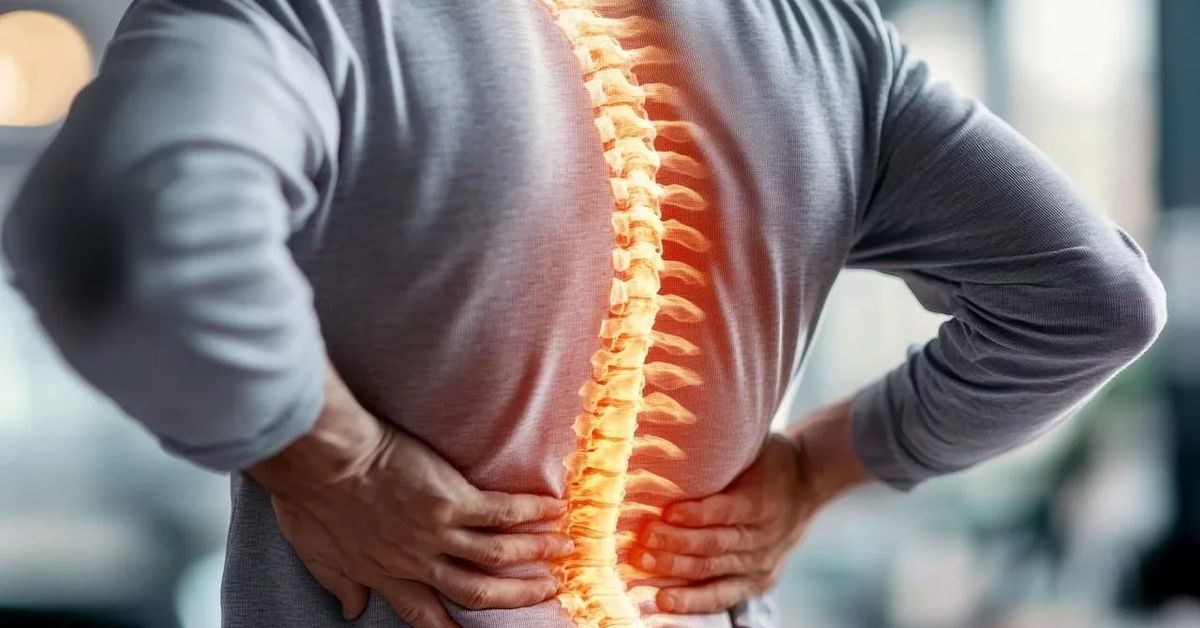
Back pain is a common problem. The risk increases as the load on the spine increases. Incorrect posture is a significant factor. At this point... What causes a herniated disc? The question arises: Can heavy lifting damage the discs? A sedentary lifestyle weakens muscles. Over time, the spinal structure is affected. Sitting for long periods increases pressure and raises the risk of muscle imbalance.
What Causes Herniated Discs? What are the Symptoms?
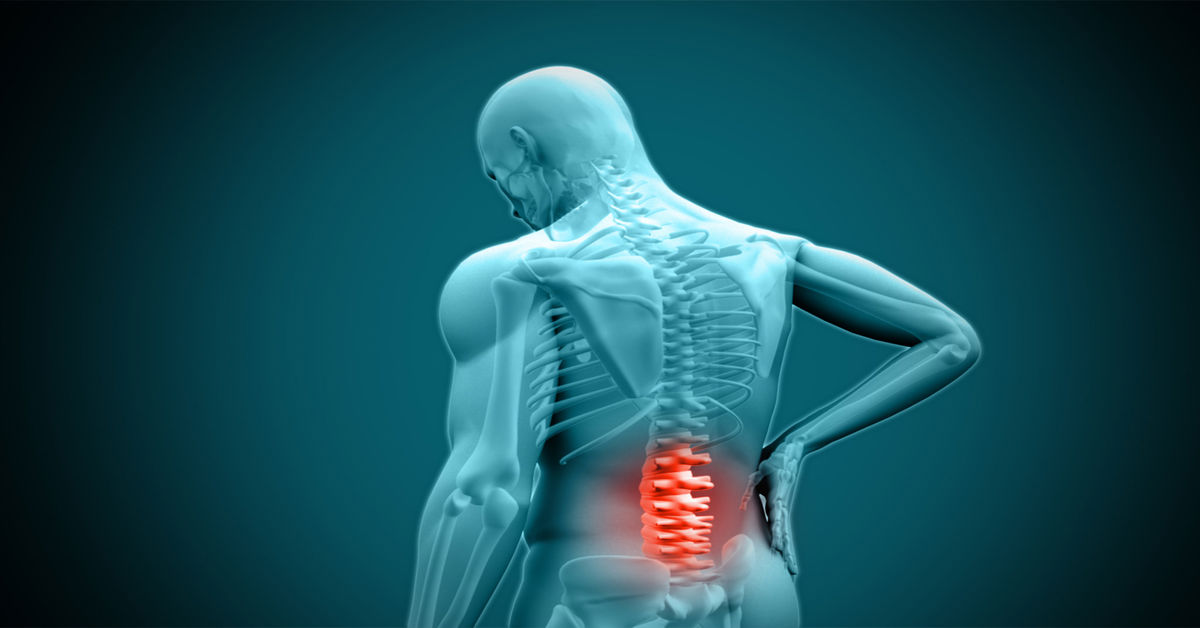
Herniated discs are a common problem affecting spinal health. They usually occur due to strain on the discs between the vertebrae. Incorrect movements in daily life increase the risk. Sitting for long periods puts pressure on the spine. Lifting heavy objects strains the disc structure. A sedentary lifestyle weakens the muscles. This negatively affects the spine's support system. Over time, damage occurs to the discs. This process must be carefully monitored.
During the formation process herniated disc It develops due to the displacement of the discs between the vertebrae. The disc bulges outwards, putting pressure on the nerves. This pressure causes pain. Sudden movements, in particular, can trigger the condition. Incorrect exercises also increase the risk. As age progresses, the disc structure weakens, which increases the likelihood of developing the disease. Therefore, spinal health should be protected.
Hernia symptoms can vary from person to person. The most common symptom is lower back pain. The pain may radiate to the hip and leg. Standing for long periods can worsen the pain. Discomfort may occur while sitting. Numbness and tingling sensations may be experienced in the legs. Muscle strength may decrease. These symptoms make daily life difficult. Careful monitoring is important.
If the symptoms worsen herniated disc It can lead to more serious problems. Nerve pressure may increase. Mobility may decrease. Daily activities may be restricted. Therefore, early intervention is important. Recovery can be achieved with the right treatment process. Healthy lifestyle habits reduce the risk.
Who gets a herniated disc?
Herniated discs are a common problem affecting spinal health. They can occur in all age groups, but some people are at higher risk. Daily lifestyle habits influence this condition, with a sedentary lifestyle increasing the risk. People who work sitting for long periods should be careful. The load on the spine increases over time, putting strain on the disc structure. Unhealthy lifestyle habits accelerate the process.
People who do physically demanding jobs are also at risk. Constantly lifting heavy objects puts strain on the spine. Incorrect lifting techniques can cause damage. Faulty movements during sports can also be a contributing factor. Individuals with weak muscle structure are at higher risk. Lack of regular exercise exacerbates this condition. Additionally, excess weight puts extra strain on the spine, which can lead to problems over time.
In individuals in the risk group herniated disc It is more common. Especially in older age groups, the disc structure weakens. This increases the likelihood of the disease occurring. Genetic predisposition is also an important factor. People with a family history of similar problems should be more careful. The load on the spine increases during pregnancy. The risk increases during this period. Therefore, regular check-ups are important.
Daily habits directly affect this condition. Incorrect posture damages the spine. Remaining in a fixed position for long periods increases the risk. An irregular lifestyle weakens muscle structure, affecting the spine's support system. Healthy lifestyle habits reduce the risk. Regular exercise is important. Correct posture habits should be established.
What are the treatment methods for herniated discs?
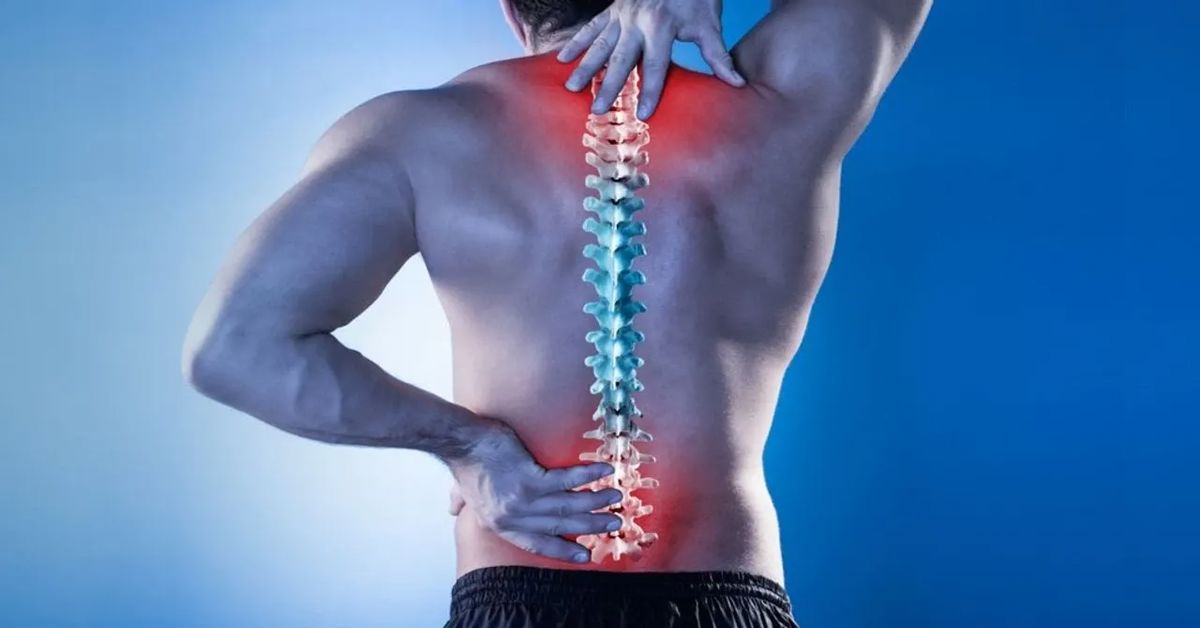
Herniated discs are a significant problem affecting spinal health. They occur when the discs shift, putting pressure on the nerves and causing pain. This can make daily life difficult and may lead to limited mobility. Therefore, the correct treatment approach is crucial. Early intervention facilitates the process, and the patient's quality of life should be preserved. The treatment plan should be tailored to the individual.
Treatment process herniated disc Different methods are applied. Rest is recommended in the first stage. Medication may be used to reduce pain. Muscle relaxants may be used. Physical therapy provides support. Exercises strengthen the muscles, thereby reducing the load on the spine. Warm compresses can provide relief. These methods help control the disease.
In advanced cases, different treatments may be necessary. Injection treatments can be applied. Applications around the nerve reduce pain. This method provides temporary relief. The treatment plan is made according to the patient's condition. Doctor's supervision is important during this process. The treatment process should be carefully monitored. Different methods are preferred for each patient.
Surgical treatment is considered a last resort. It is preferred in cases of severe pain. If nerve compression has increased, surgery may be necessary. The post-operative process is also important. Rehabilitation should be applied. Regular exercise should be performed. Healthy lifestyle habits should be maintained. In this way, the healing process is supported.
What is the recovery process like after herniated disc treatment?
After herniated disc treatment is completed, a careful recovery period is necessary. The patient's general condition should be monitored regularly. A decrease in pain level is expected. However, sudden movements should be avoided. The spine may not yet be fully recovered. Therefore, rest is important. Daily activities should be increased gradually. Controlled movement supports healing. Patience is required during this process.
Exercise plays a significant role in the post-treatment period. It should begin with light exercises. Movements that strengthen the muscles should be preferred. This reduces the load on the spine. Physical therapy programs provide support. Regular application accelerates the healing process. Posture habits should also be corrected. Incorrect posture can cause problems again. Therefore, correct posture is important. Attention should be paid to this in daily life.
Diet also affects the healing process. Foods rich in vitamins and minerals should be preferred. Excess weight puts a strain on the spine, so weight control is essential. Water intake should be increased. Body balance should be maintained. Healthy lifestyle habits support the process. Regular check-ups should not be neglected during this period. Doctor's recommendations should be followed.
During the recovery process herniated disc Measures should be taken to prevent recurrence. Heavy lifting should be avoided. Remaining in a fixed position for long periods should be avoided. A regular exercise habit should be established. Correct posture should be maintained. These measures support spinal health. A careful lifestyle should be adopted throughout the process.