

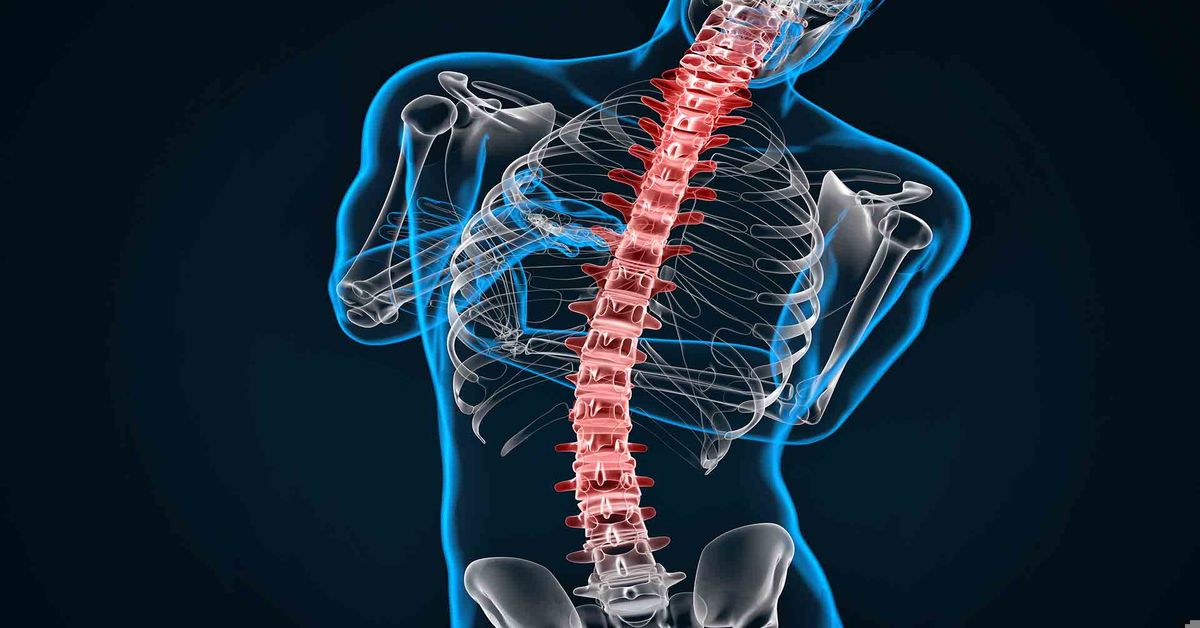
Treatment aims to correct postural disorders. Early diagnosis significantly increases the success rate of the treatment process. Treatment of spinal curvature The treatment plan is determined according to the patient's age, the degree of curvature, and their symptoms. In mild cases, exercise and physical therapy may be sufficient. In advanced cases, brace use or surgical options are considered. Regular follow-up ensures that the process progresses under control.
Who is a suitable candidate for spinal curvature treatment?

Spinal curvatures can occur in all age groups. They become noticeable during childhood and adolescence due to rapid growth. In adults, they manifest with complaints of pain and postural abnormalities. The degree of curvature and the rate of progression determine the treatment decision. Therefore, early assessment is of great importance. A clear diagnosis is made through expert examination and imaging methods.
In cases of mild to moderate curvature, the treatment is often planned using non-surgical methods. This approach... spinal curvature treatment This is evaluated within the scope of treatment. Children, especially those in their growth phase, are regularly monitored. If there is a risk of the curvature progressing, a brace may be recommended. Special exercise programs are prepared for individuals with muscle imbalances. Patients experiencing postural problems and back pain are also included in this process. Treatment is planned individually for each patient.
In cases of severe curvature, a different approach is required. A detailed evaluation is conducted if there is pain affecting daily life, shortness of breath, or significant deformity. Patients with increased and progressive curvature may be candidates for surgery. However, not every severe curvature warrants surgery. The decision is made by a specialist physician after a comprehensive examination.
In cases requiring surgery spinal curvature treatment It aims to stabilize and halt the progression of the spine. Adult patients experiencing chronic pain are also evaluated within this scope. Curvatures that develop after trauma can be included in the treatment plan. Individuals with congenital spinal anomalies are also among the suitable candidates. The goal is to improve the patient's quality of life and prevent functional loss. Early intervention always leads to better results.
In what situations is spinal curvature treatment used?
Spinal curvature can occur for various reasons. The most common causes include scoliosis and kyphosis. Some curvatures are congenital, while others develop during growth. In adults, trauma, osteoporosis, or degenerative diseases can be contributing factors. The degree of curvature and the rate of progression determine the treatment decision. Therefore, regular check-ups are important.
Individuals with significant postural abnormalities are evaluated. Patients experiencing back and lower back pain undergo a detailed examination. If the curvature affects daily life, a treatment plan is developed. The process is accelerated if there is shortness of breath, easy fatigue, or asymmetry at shoulder levels. The risk of progression may be particularly high during adolescence. Close monitoring is necessary during this period.
In advanced and escalating cases, an intervention plan is developed. If the degree of curvature exceeds a certain limit... spinal curvature treatment This becomes a priority. If pain cannot be controlled, advanced methods are considered. If non-surgical treatments are insufficient, different options are evaluated. The goal is to stabilize the spine and halt progression. The decision is made individually for each patient.
Curvatures that develop after trauma may also require treatment. Patients with spinal collapse due to osteoporosis are carefully monitored. Individuals with congenital spinal anomalies are followed up early. Structural curvatures detected in childhood can progress. Therefore, timely intervention is important. With proper planning, pain is reduced and quality of life is improved.
What are the treatment methods for spinal curvature?

Treatment methods for spinal curvature are determined according to the degree of curvature and the patient's age. The same approach is not applied to every patient. First, a detailed examination is performed. X-rays and other imaging methods deemed necessary are used. The degree of curvature is precisely measured. The risk of progression is assessed. The treatment plan is created based on this data. The goal is to maintain spinal stability and halt the progression of the curvature.
In mild and moderate cases spinal curvature treatment Treatment often begins with non-surgical methods. Physical therapy programs aim to increase muscle strength. Specific exercises work the muscles that support the spine. Posture training is an important part of the process. Brace use may be recommended for growing children. The brace aims to slow the rate of increase in curvature. The process is closely monitored with regular doctor check-ups.
Surgical options may be considered for advanced curvatures. If the curvature exceeds a certain degree, surgery may be planned. Surgical methods aim to straighten and stabilize the spine. The technique used varies depending on the patient's age and the type of curvature. The goal is to achieve both aesthetic and functional balance. The decision for surgery is not made hastily.
Rehabilitation plays a crucial role in the treatment process. Post-operative exercise programs are implemented. Muscle strength and flexibility are increased. Pain control is ensured. Regular follow-up reduces potential risks. Early diagnosis is always advantageous. With properly planned treatment, the patient's quality of life improves significantly.
What is the recovery process like after spinal curvature treatment?
The recovery process after spinal curvature treatment varies depending on the method used. Non-surgical methods result in faster recovery. Exercise programs must be continued regularly. Patients using braces must adhere to the prescribed times. Doctor check-ups should not be missed. The goal is to stop the progression of the curvature and maintain balance. The process requires discipline.
Patients who undergo surgery are monitored in the hospital for the first few days. Pain control is ensured. The patient is mobilized as soon as possible. Early mobilization supports healing. Certain movement restrictions are applied after discharge. Sudden and strenuous movements are avoided. Suture and wound care are performed carefully. Follow-up appointments are conducted regularly.
Rehabilitation is a crucial part of treatment. Physical therapy programs increase muscle strength. Flexibility exercises support the spine. Return to daily living activities is gradual. Ergonomics recommendations are provided for those who work at desks. Individuals who participate in sports begin training in a controlled manner. Patience and consistent follow-up increase the chances of success.
The long-term goal is to maintain the balanced structure of the spine. Regular exercise should become a habit. Weight control is important for spinal health. Posture awareness should be maintained in daily life. Check-ups should not be neglected. All these steps should be followed in a planned manner., spinal curvature treatment This leads to lasting success. With proper follow-up, quality of life improves significantly.