

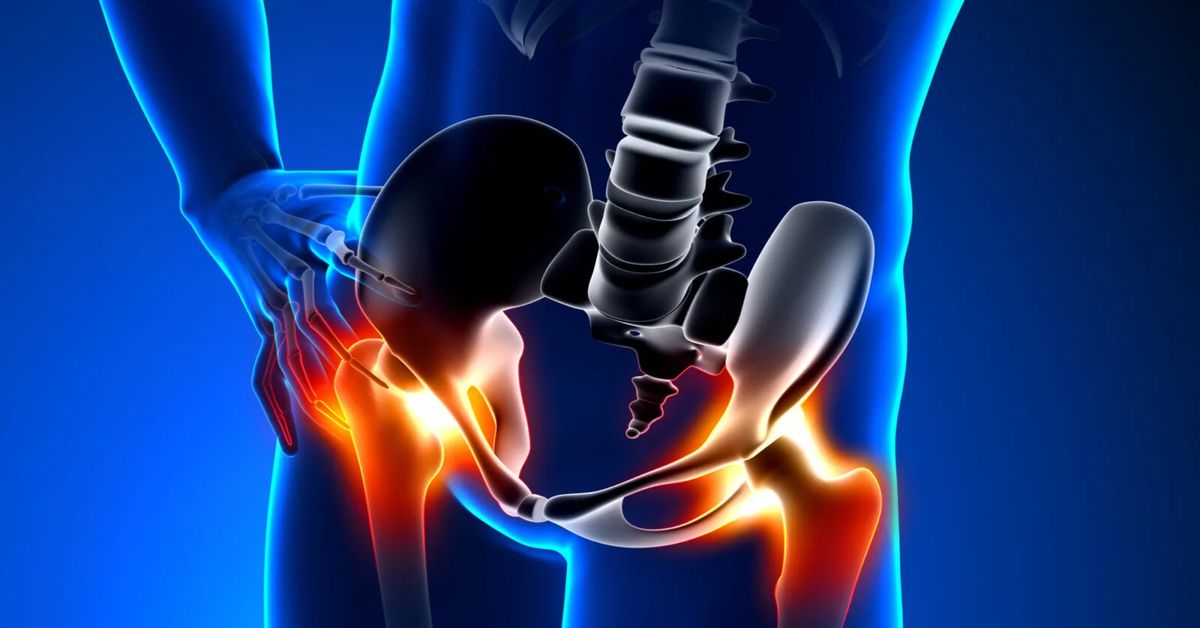
Symptoms of osteoarthritis usually develop slowly. Initially, pain in the hip begins. The pain may increase with movement. Difficulty walking may occur. Stiffness may develop in the mornings or after sitting for long periods. Limited range of motion in the hip may develop. Symptoms of hip osteoarthritis Symptoms include impaired balance while walking. Pain and difficulty climbing stairs may be felt. In later stages, clicking sounds coming from the hip may also be noticed.
What are the symptoms of hip osteoarthritis?
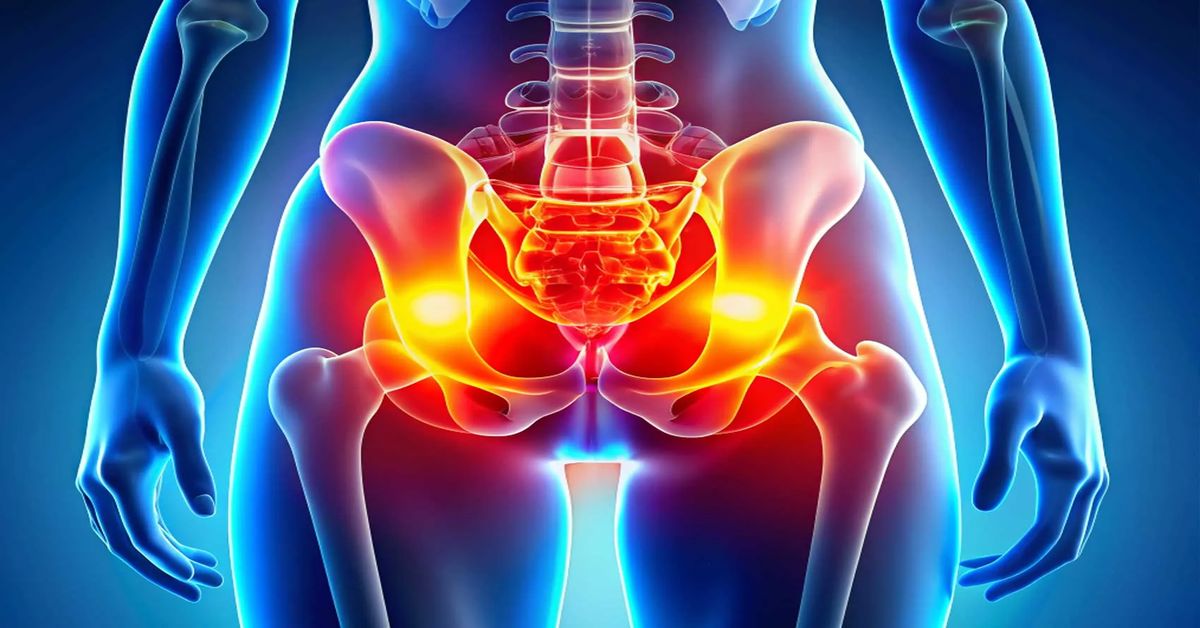
Hip health is crucial for daily movement. Joint structure naturally wears down over time. This can progress more rapidly in some individuals. The aging process causes wear and tear on the joint cartilage. Initial symptoms begin with mild pain and stiffness. Over time, discomfort during movement may increase, and daily activities may become restricted. Therefore, early detection and prevention are important. Early diagnosis can slow the progression of the condition.
The most common symptom of osteoarthritis is pain. Pain may increase, especially after prolonged sitting or walking. Stiffness in the joint is felt in the mornings. This stiffness decreases somewhat with movement. Difficulty walking or climbing stairs may occur. Limited range of motion in the hip can affect daily life. Tenderness in the hip or thigh may also develop. These symptoms become more pronounced over time. Hip osteoarthritis It is an indicator of wear on the joint surface.
The limitation of movement becomes more severe in later stages. Joint flexibility decreases, and gait may be impaired. Pain may be felt even at rest. Daily activities become more difficult. A clicking or popping sound from the hip is possible. This indicates damage to the joint structure. Muscle and joint support exercises are recommended. Pain management and medical treatment may also be applied. This process is important for maintaining quality of life.
Advanced osteoarthritis can lead to deformities in the joints. Pain becomes constant and affects sleep. Walking balance may be impaired, and the risk of falls increases. Daily activities become difficult, and quality of life decreases. Surgery may be necessary. Medical follow-up and rehabilitation programs are important during this process. Proper management of the treatment process is crucial. hip osteoarthritis It reduces the effects and preserves mobility.
Who gets hip osteoarthritis?
The hip joint is one of the joints that bears the most weight in the body during daily movements. Therefore, it is at high risk of wear and tear over time. Deterioration in cartilage tissue is more common, especially in older age. The aging process directly affects joint health. Wear and tear on the joint surface can lead to pain and stiffness during movement. These symptoms usually start mildly and worsen over time. Regular exercise and a healthy lifestyle are important in maintaining joint health.
Excess weight increases pressure on the joint. Being overweight puts extra strain on the hip joint and accelerates wear and tear. Furthermore, prolonged immobility weakens muscle support. Sports injuries or previous joint trauma are also risk factors. Genetic factors also play a significant role. A family history of similar conditions can lead to premature hip joint degeneration. Therefore, it is recommended that individuals in the risk group undergo regular check-ups.
In older age groups hip osteoarthritis It is more common. Over time, the joint cartilage thins and loses its elasticity. Pain and stiffness become more pronounced during movement. Daily activities may become difficult. Difficulty with movements such as walking, climbing stairs, and sitting and standing may occur. Swelling and tenderness may develop around the hip. These conditions indicate wear and tear and inflammation on the joint surface.
Women are at higher risk than men due to hormonal changes. The decrease in estrogen levels after menopause can affect joint structure. Therefore, women need to be especially careful. Regular exercise and weight control can slow the progression of the disease. Early diagnosis is important for maintaining quality of life.
What are the treatment methods for hip osteoarthritis?
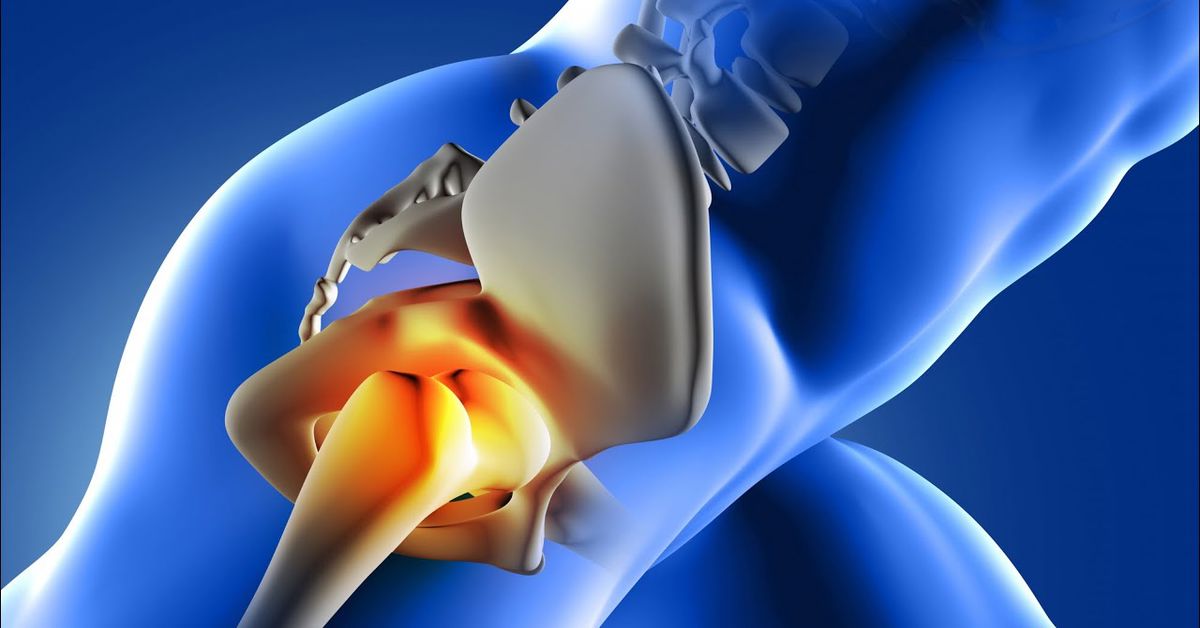
The hip joint is of great importance to quality of life. Over time, wear and tear can occur in the cartilage tissue of the joint. This leads to pain and stiffness during movement. Daily activities may become difficult. Early diagnosis is critical for the effectiveness of the treatment process. A doctor's examination determines the source of the pain and creates an appropriate treatment plan. Lifestyle changes, exercise, and physical therapy are recommended as initial methods.
Medical methods are also used in treatment. Pain relievers and anti-inflammatory drugs alleviate symptoms. Medications used under a doctor's supervision reduce inflammation and control pain. Intra-articular injections support joint fluid and facilitate movement. These methods make daily life easier for patients. Surgical intervention may also be necessary for advanced cases. Operations such as knee and hip replacements can improve joint function. The treatment plan is determined according to the severity of the disease and the patient's overall health condition. Hip osteoarthritis Choosing the appropriate treatment method is of great importance.
Alternative and supportive methods are also beneficial in the treatment process. Hot and cold applications can alleviate pain. Supportive devices such as canes or walkers reduce the load on the joints. Muscle strengthening exercises slow the progression of the disease. Regulating dietary habits, especially calcium and vitamin D intake, supports bone health. This holistic approach improves the quality of life for patients and makes daily activities easier.
Regular follow-up and doctor check-ups are crucial in the treatment of osteoarthritis. With appropriate treatment and lifestyle changes, disease progression can be slowed down. Symptoms can be controlled, and joint function can be preserved. This allows patients to remain healthier and more mobile in the long term.
What is the recovery process like after hip osteoarthritis treatment?
The post-treatment process for osteoarthritis is crucial for improving patients' quality of life and protecting joint health. Recovery time can vary depending on the type of treatment. Pain and inflammation may decrease quickly in patients receiving medication and injections. Physical therapy, on the other hand, increases joint mobility and muscle strength. Regular exercise during this process balances the load on the joint and prevents loss of function.
The post-surgical process requires longer and more careful planning. Patients undergoing hip replacement surgery are placed on a rehabilitation program. This program includes physical therapy aimed at increasing joint range of motion, along with muscle strengthening exercises. The goal is to help patients return to their daily activities in a controlled manner. Pain and swelling are closely monitored throughout this process. Patience and regular follow-up are crucial during the recovery process. Post-treatment rehabilitation is a critical step for success.
During the rehabilitation process, patients are guided towards lifestyle changes. Weight control, healthy eating, and joint-friendly activities are recommended. Prolonged sitting or immobility should be avoided. Supportive devices or aids such as canes reduce the load on the joints. Muscle strengthening and stretching exercises support the muscles around the hip. This holistic approach allows patients to move more comfortably in their daily lives.
Patients, hip osteoarthritis By acting consciously during the post-treatment process, joint health can be protected in the long term. This structure prevents the recurrence of pain and limited mobility. It improves quality of life and allows for more comfortable daily activities. When the post-treatment process is properly planned, the hip joint becomes more functional and durable.