


Symptoms of osteoarthritis usually develop slowly. Initially, pain is felt in the knee. This pain may increase with movement. Stiffness in the knee is felt in the mornings. Getting up after sitting for a long time becomes difficult. Swelling in the knee may also occur. Symptoms of knee osteoarthritis Symptoms include limited mobility. Difficulty climbing stairs may occur. In later stages, clicking sounds may be heard in the knee.
What are the symptoms of knee osteoarthritis?
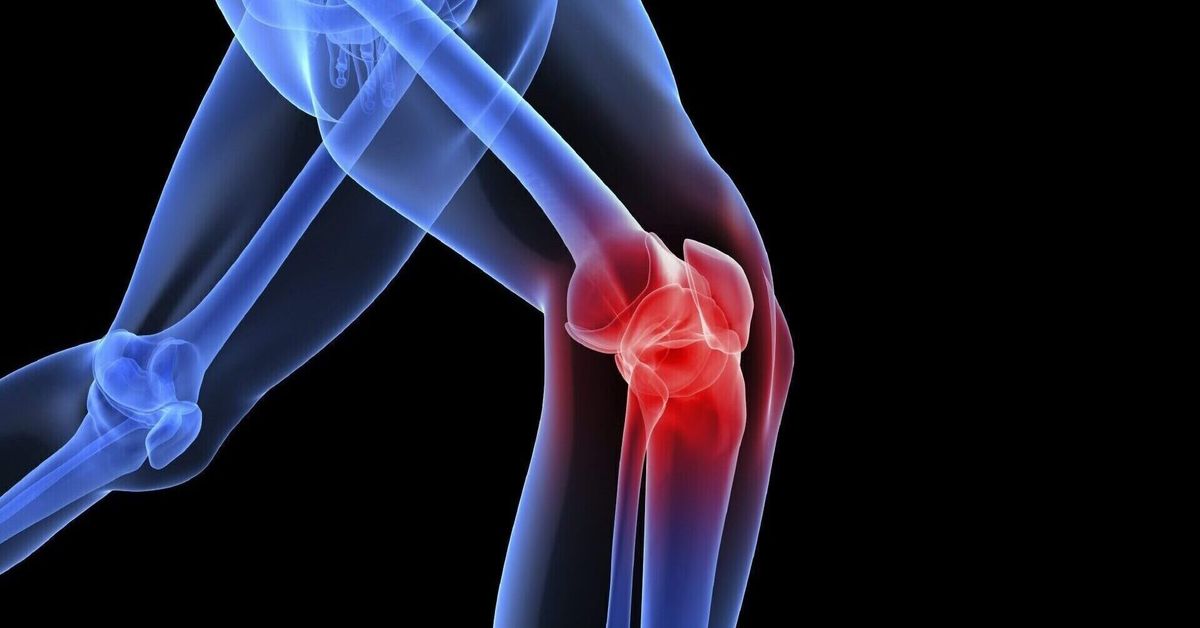
Knee health is crucial for daily movement. Over time, deterioration can occur in the joint structure. This generally increases with age. Initial symptoms are mild, but complaints worsen as the disease progresses. Pain can make daily life difficult. Therefore, recognizing early signs is important. Careful observation can slow the progression of the disease.
knee osteoarthritis The most common symptom is pain, which often increases during movement. Rest may alleviate the pain somewhat. Stiffness in the knee is often felt in the mornings. Difficulty moving after sitting for long periods is common. Swelling around the knee may occur, indicating problems within the joint. Symptoms become more pronounced over time.
In the later stages, limited mobility develops. The knee joint loses its former flexibility. Daily activities become difficult. Climbing stairs or sitting down and standing up becomes problematic. A clicking sound from the knee is also possible. This may be a result of wear and tear on the joint surface. The feeling of difficulty during movement increases. These symptoms negatively affect the quality of life.
Advanced level knee osteoarthritis In this condition, the pain becomes more constant. Pain may be felt even at night. This negatively affects sleep patterns. Knee deformities may occur. Walking balance may also be disrupted. Daily life activities become more difficult. Seeking professional help during this process is important.
Who gets knee osteoarthritis?
Knee health can be affected over time by many factors. Joint structure weakens with age. This progresses more rapidly in some individuals. Daily lifestyle habits directly influence this process. People who work under intense physical strain are particularly at risk. A sedentary lifestyle also negatively impacts joint health. Therefore, lifestyle is a crucial factor.
Excess weight puts significant pressure on the joints. The knee joint supports the body weight, so weight gain adds extra strain on the knees. Over time, the joint structure can be damaged. People who don't exercise have weaker muscle support, making it harder to protect the joints. Incorrect exercises can also pose a risk. These factors accelerate the onset of the disease.
It is more common in older age groups. As age progresses, the joint structure weakens. Cartilage tissue wears down over time. This causes pain during movement. Joint fluid may also decrease, making movement more difficult. knee osteoarthritis It becomes more pronounced with age. This process occurs as a result of natural wear and tear.
Past knee injuries are also among the risk factors. Sports injuries can negatively affect joint structure. Genetic factors can also play a role. Having similar conditions in the family increases the risk. This condition may be more common in women. Hormonal changes can affect joint structure. Therefore, risk groups need to be careful.
What are the treatment methods for knee osteoarthritis?
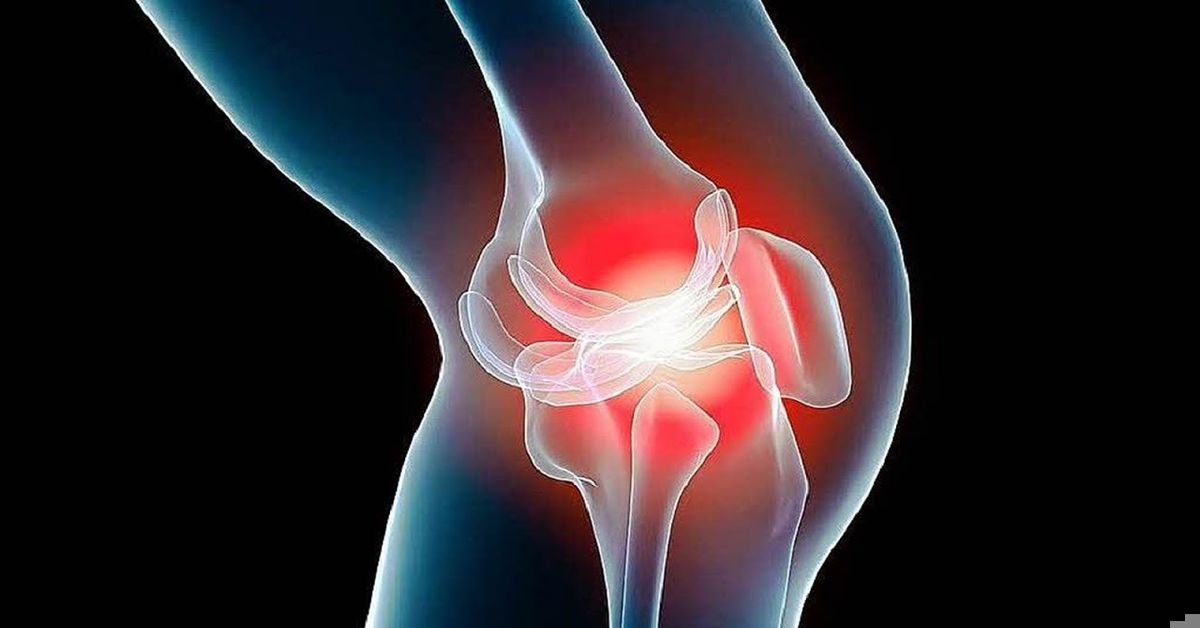
Osteoarthritis is a significant health problem that negatively impacts quality of life. As the disease progresses, it leads to joint pain and limited mobility. Early diagnosis is crucial for the effectiveness of treatment. Lifestyle changes, weight management, and regular exercise can alleviate symptoms. Physical therapy and rehabilitation programs preserve joint mobility and make daily activities easier. These methods also help slow the progression of the disease.
Medicines, knee osteoarthritis It is also frequently used in treatment. Pain relievers and anti-inflammatory drugs alleviate symptoms. Medications used under a doctor's supervision reduce inflammation and control pain. Additionally, injections into the joint support joint fluid, facilitating movement. These treatment methods improve patients' quality of life. Surgical intervention may be necessary for advanced cases. Knee replacement or arthroscopic surgery can improve joint function. The treatment plan is determined according to the severity of the disease and the patient's overall health.
Alternative methods can also support the treatment process. Hot and cold applications can alleviate pain. Supportive knee braces or aids such as canes reduce the load on the joint. Regular physical activity and muscle-strengthening exercises slow the progression of the disease. Regulating dietary habits, especially calcium and vitamin D intake, supports bone health. This holistic approach allows patients to move more comfortably in their daily lives.
Early diagnosis and correct treatment are crucial in osteoarthritis. With appropriate methods, progression can be slowed, symptoms can be controlled, and the disease can be managed through regular follow-up. The treatment process preserves the patient's quality of life. Medical and surgical methods are supported by lifestyle changes. This approach ensures that patients remain healthier and more mobile in the long term.
What is the recovery process like after knee osteoarthritis treatment?
The post-treatment process for osteoarthritis is crucial for improving patients' quality of life and protecting joint health. Recovery time can vary depending on the type of treatment. Pain and inflammation may decrease quickly in patients receiving medication and injections. Physical therapy increases joint mobility and muscle strength. Regular exercise during this process balances the load on the joint and prevents loss of function. Regular check-ups with a doctor are necessary to monitor the recovery process.
The post-surgical recovery process requires longer and more careful planning. After knee replacement and arthroscopic surgery, patients are placed on a rehabilitation program. This program includes physical therapy aimed at increasing joint range of motion, along with muscle strengthening exercises. The goal is to help patients return to their daily activities in a controlled manner. Pain and swelling are closely monitored throughout this process. Patience and regular follow-up are crucial during the healing process.
During the rehabilitation process, patients are guided towards lifestyle changes. Weight control, healthy eating, and joint-friendly activities are recommended. Prolonged sitting or immobility should be avoided. Post-treatment rehabilitation for knee osteoarthritis focuses on preventing recurrence of symptoms. Regular exercise and muscle support increase the joint's weight-bearing capacity. During this process, patient motivation and disciplined action accelerate the healing process.
Patients, knee osteoarthritis By acting consciously during the post-treatment process, it can protect joint health in the long term. This structure prevents the recurrence of pain and limited mobility. It improves quality of life and allows for more comfortable daily activities.